Kiran Abbavaram’s Chennai Love Story Scores Box Office Hit After Mid-Run Edit
Kiran Abbavaram’s Chennai Love Story became a box office hit by embracing post-release edits based on audience feedback, signaling a new trend for mid-budget Telugu films.
Dumtika Editorial
July 30, 2026 · 3 min read
(Image: Dumtika Editorial)
Key Highlights
- Chennai Love Story delivered Kiran Abbavaram’s career-best opening weekend.
- The makers made significant post-release edits based on audience feedback.
- Nagabandham and Peddi also saw success after similar content changes.
- Mid-budget Telugu films are thriving through rapid audience-driven modifications.
Kiran Abbavaram’s Chennai Love Story Defies Odds at the Box Office
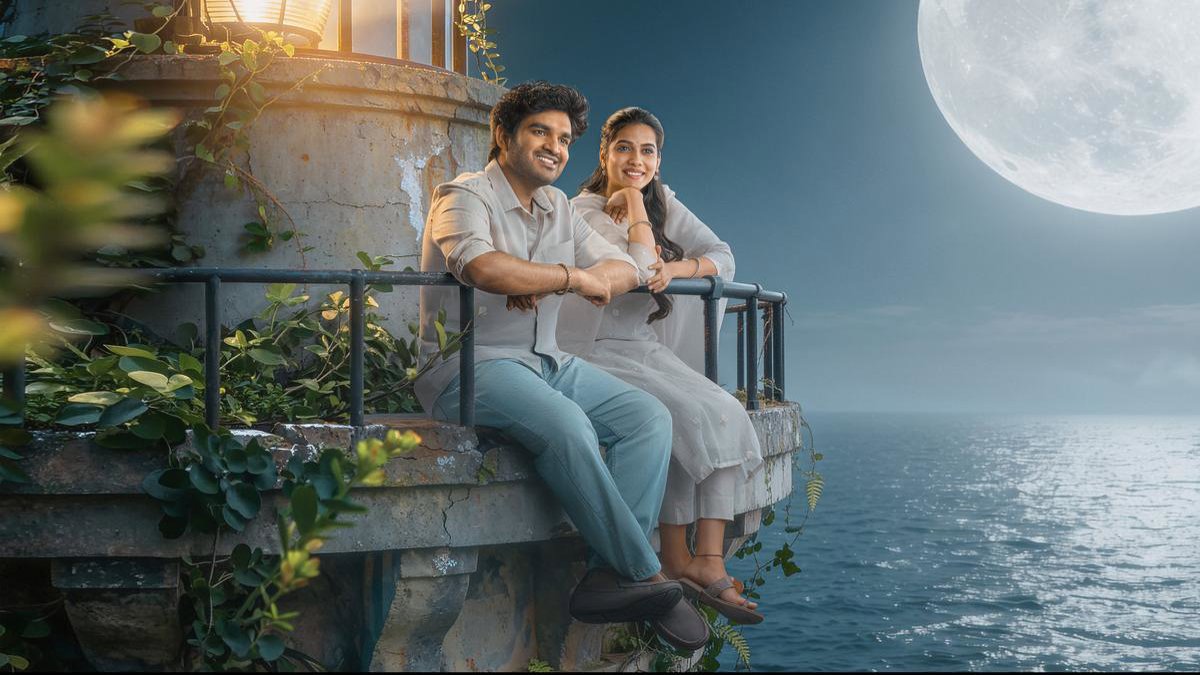
Kiran Abbavaram’s latest romantic drama, Chennai Love Story, has emerged as a standout performer at the Telugu box office, continuing its strong run even as it faced stiff competition from high-profile releases in Andhra Pradesh and Telangana. The film, directed by Ravi Namburii and produced by SKN and Sai Rajesh, delivered a career-best opening weekend for Abbavaram, marking a significant milestone in his filmography.
Despite its mid-range production values, Chennai Love Story managed to pull audiences to theatres, a feat made more impressive given the crowded release window. The film’s theatrical journey coincided with the debut of Jaya Krishna Ghattamaneni in Srinivasa Mangapuram, a star-driven project that typically would dominate screens and attention. Yet, Chennai Love Story held its ground, signaling a shift in how mid-budget Telugu films can carve out box office success.
Rapid Post-Release Changes Drive Engagement
The film’s initial reception was a mix of praise and criticism. While the first half was well received, some viewers found the second half less engaging. Responding swiftly, the makers took the unusual step of making significant edits to the film after its release. Director Ravi Namburii revealed in a post-release interview that the original cut was nearly four and a half hours long, but substantial trimming was necessary for theatrical release. "If those scenes had been retained, many of the concerns surrounding the second half might not have existed," Namburii explained, acknowledging that some narrative depth was sacrificed for runtime.
This willingness to respond to audience feedback and make real-time changes has sparked lively discussion among moviegoers. Social media platforms buzzed with debates about whether the trimmed content could have improved the film’s latter half. The move also reflects a broader trend in Tollywood, where filmmakers are increasingly open to post-release modifications to enhance audience satisfaction and box office performance.
A Growing Trend in Telugu Cinema
Chennai Love Story is not alone in this approach. Earlier this month, the Telugu film Nagabandham, starring Virat Karrna and directed by Abhishek Nama, underwent a similar transformation. After facing criticism for its lengthy runtime, the makers released a trimmed version that sharpened the narrative. The results were immediate: Nagabandham crossed half a million bookings and grossed over ₹35 crore worldwide in its first week. Veteran actor Jagapathi Babu, who appeared in the film, remarked that the team’s quick response helped shift focus back to the film’s strengths.
This trend is not limited to theatrical releases. The Netflix debut of Peddi, starring Ram Charan and directed by Buchi Babu Sana, featured a revised cut with controversial scenes trimmed and the climax adjusted for digital audiences. Such examples underline a new reality in Telugu cinema: mid-budget films can achieve strong theatrical runs by staying agile and prioritizing audience engagement, even after release.
Box Office Lessons for Mid-Budget Films
The ongoing success of Chennai Love Story, especially in a release window crowded with both mid-tier and high-profile films, demonstrates that strategic post-release edits and a willingness to listen to viewers can pay off. As the Telugu film industry continues to evolve, Chennai Love Story stands as a case study in how mid-budget productions can thrive through adaptability and direct engagement with their audience.