Nagarjuna’s 100th Film: Four Decades, 99 Movies, and a Legacy Reimagined
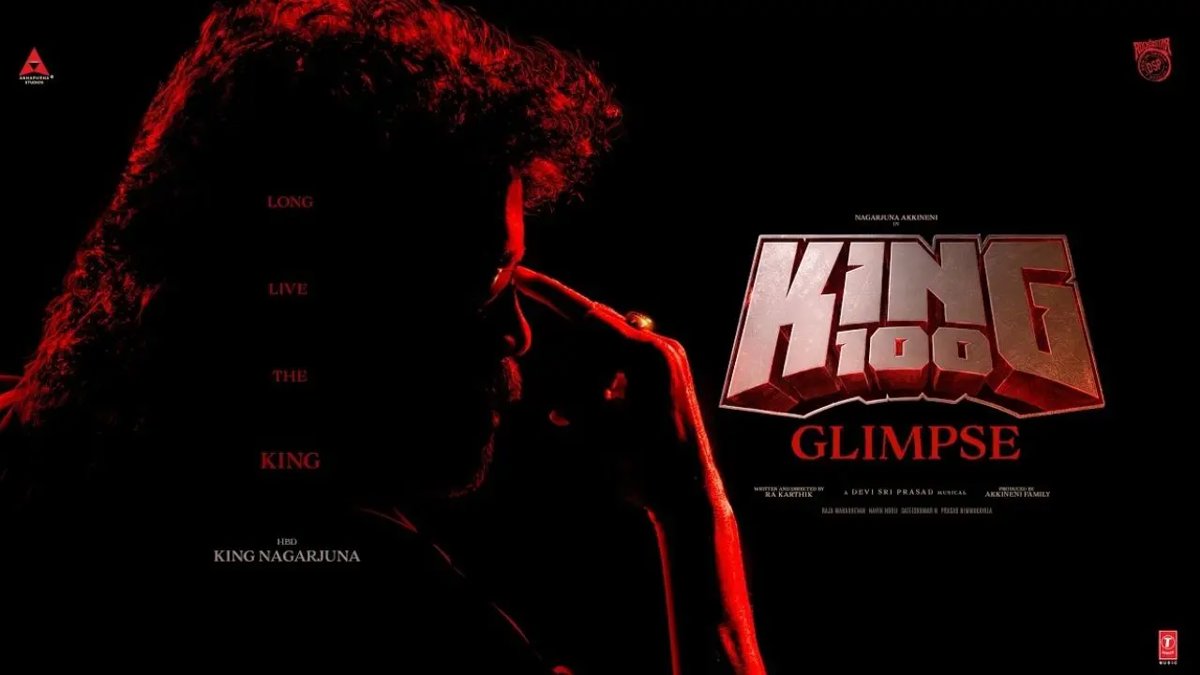
Nagarjuna’s 100th film, King100, marks not just a milestone but a celebration of four decades of versatility, reinvention, and enduring stardom in Telugu cinema.
Dumtika Editorial
August 29, 2026 · 4 min read
(Image: Dumtika Editorial)
Key Highlights
- Nagarjuna is set to reach his 100th film milestone with King100, directed by Ra Karthik.
- His career spans four decades, marked by versatility across genres and industries.
- Major films include Geetanjali, Shiva, Annamayya, and Manmadhudu.
- King100 is positioned as a stylish commercial entertainer with a family drama core.
Akkineni Nagarjuna stands on the threshold of a milestone that few in Indian cinema have reached: his 100th film. With King100, helmed by director Ra Karthik, the actor’s journey is being celebrated not just as a numerical achievement but as a testament to his enduring relevance in Telugu cinema. The anticipation around King100 is less about nostalgia and more about how Nagarjuna continues to evolve, even after nearly forty years in the industry.
Nagarjuna’s career began in 1986 with Vikram, a debut that came with the weight of his father Akkineni Nageswara Rao’s legendary legacy. Rather than being overshadowed, he quickly established his own identity. The late 1980s proved crucial: Geetanjali and Shiva, both released in 1989, were pivotal. Geetanjali, a romantic drama, gave Nagarjuna the confidence to pursue his own path. He has reflected that it was this film where he "found [his] feet and the ground where [he] should tread." Shiva, meanwhile, marked a turning point, cementing his status as a leading man and giving him the momentum to shape his own stardom.
Throughout the 1990s and 2000s, Nagarjuna’s filmography became a showcase of range. He refused to be boxed into a single genre or image. Romantic dramas like Ninne Pelladata found both critical and commercial success, while devotional roles in Annamayya and Sri Ramadasu demonstrated his willingness to take risks and break away from mainstream formulas. Action films such as Mass and King, as well as comedies like Manmadhudu, kept his appeal broad and his audience engaged. Not every film was a hit—like any actor with a long career, Nagarjuna faced his share of disappointments and box office setbacks. Yet, these lean patches never seemed to define him; instead, they often preceded bold choices that refreshed his career.
His willingness to experiment extended beyond the Telugu industry. Nagarjuna ventured into Hindi cinema, making his presence felt in Bollywood and later connecting with a new generation of viewers through films like Brahmastra, Kuberaa, and Coolie. These forays introduced him to wider audiences and reinforced his reputation as an actor unafraid of reinvention. Each phase of his career has been marked by collaborations with a diverse set of directors and co-stars, reflecting his adaptability and openness to new creative energies.
Industry voices have often pointed to Nagarjuna’s versatility as his defining trait. He has been described as someone who never wanted to be restricted to a particular image or genre. The fact that he is reaching his 100th film not by revisiting old glories but by taking on a fresh, stylish commercial entertainer speaks volumes about his mindset. According to Nagarjuna, King100 is not a swan song or a capstone, but another opportunity to "reinvent himself." This attitude has kept his fan base loyal and his industry peers respectful, even as the landscape of Telugu cinema has shifted dramatically over the decades.
Looking ahead, King100 is being positioned as more than just a celebration of the past. Directed by Ra Karthik, the film is described as a stylish commercial entertainer with a strong family drama at its heart. The project is significant not only for its milestone number but also for what it represents: an actor who has survived and thrived through changing trends, generational shifts, and evolving definitions of stardom. The film’s outcome will inevitably be seen as a reflection of Nagarjuna’s ability to remain relevant and compelling to audiences old and new.
Nagarjuna’s journey to 100 films is not just about longevity; it is about a restless creative spirit and a refusal to be typecast. As he steps into this new chapter, the industry watches with interest, aware that his story is still being written. Whether King100 becomes a blockbuster or simply another chapter in a storied career, Nagarjuna’s place in Telugu cinema is secure—a testament to reinvention, resilience, and a rare versatility that few can claim.