Fading Bollywood Actors Should Stop Targeting Tollywood
Bollywood actresses' recent criticism of Telugu cinema has sparked debate on timing, respect, and industry dynamics. Tollywood questions the motives behind these remarks.
Dumtika Editorial
November 4, 2026 · 4 min read
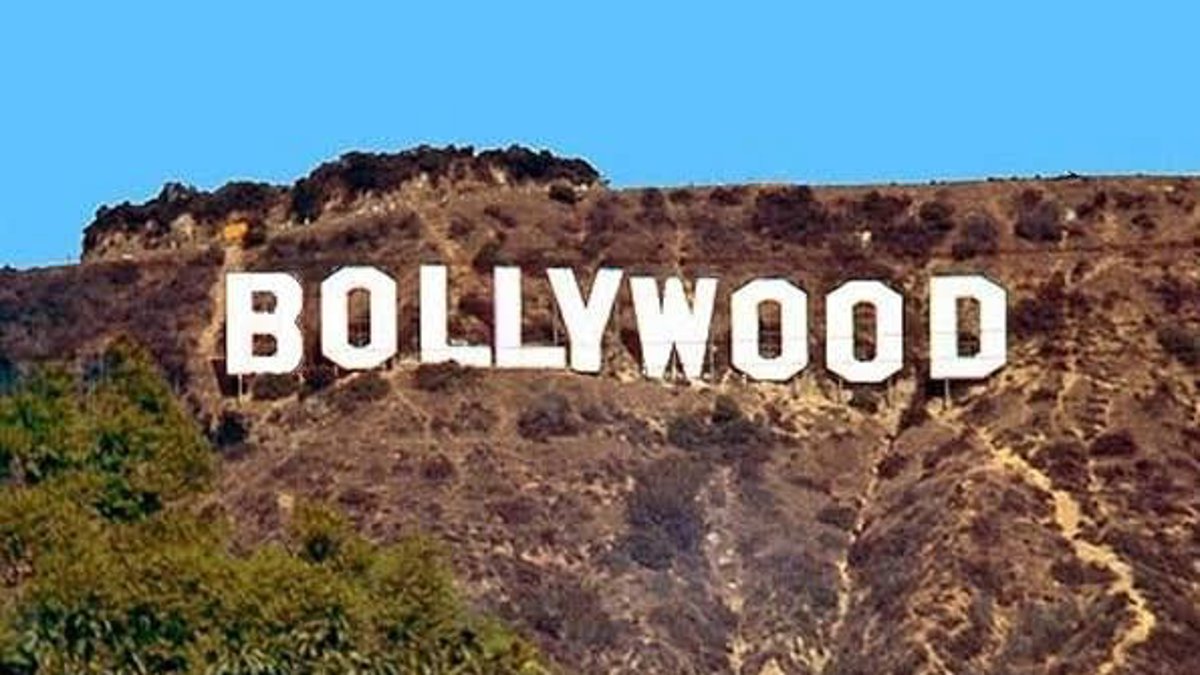
(Image: Dumtika Editorial)
Key Highlights
- Bollywood actresses' criticism of Telugu cinema triggers social media backlash.
- Taapsee Pannu, Radhika Apte, and Janhvi Kapoor's remarks questioned for timing and fairness.
- Tollywood sees such comments as ungrateful, given the opportunities provided.
- Industry observers await changes in cross-industry collaboration and dialogue.
Fading Bollywood actors should stop targeting Tollywood. In recent weeks, a string of Bollywood actresses have made headlines for their critical remarks about their experiences in Telugu cinema, reigniting a debate about industry respect, timing, and the motivations behind such statements.
Taapsee Pannu, who began her career in the South before moving to Bollywood, recently discussed her early days in Telugu films while promoting her Hindi film "Assi". She recounted being asked to wear padded bras on set and highlighted the lack of women technicians in the industry. These comments, though not new, resurfaced during her film promotions and triggered a backlash. Taapsee later apologised to the director involved back in 2017, but the timing of her renewed criticism—coinciding with her Hindi film's release—has raised eyebrows.
Radhika Apte’s recent comments have also stirred controversy. She recalled working in a Telugu film where she was paired opposite a much older actor and had to marry her maternal uncle on screen, describing the experience as patriarchal and unpleasant. However, scrutiny intensified when it was pointed out that she worked with the same actor again in "Lion" in 2015, just a year after their previous collaboration in "Legend". This has led many to question why she accepted another film with the same actor if she was so uncomfortable, and whether she was unaware of the character dynamics before signing on. Radhika has previously criticised the Telugu industry for being male-dominated and for its treatment of women on set.
Janhvi Kapoor is the latest to face criticism after her appearance on "Koffee with Karan". She spoke about her role in Ram Charan’s "Peddi", admitting that the film had problematic scenes and that her character was excessively objectified. Janhvi stated that she should have been more vigilant and used her position to raise concerns during the shoot. However, her broad observations about Telugu cinema, based on limited experience, have been challenged by many who feel her comments do not reflect the industry as a whole.
A recurring question among audiences is why these concerns were not voiced more assertively during the filmmaking process or at the time of signing the projects. Telugu cinema has provided significant opportunities to Bollywood actresses, offering them roles, recognition, and substantial remuneration. The decision to accept these films is typically made after careful consideration of the script, character, and working conditions. Industry insiders argue that while actors should feel empowered to raise concerns, making sweeping statements about an entire industry years later—without distinguishing between individual filmmakers and broader industry practices—can be damaging and unfair.
This pattern, where actresses begin their careers in the South, gain fame and opportunities, move to Bollywood for greater stardom, and then return to criticise the Telugu industry once their Bollywood spotlight fades, is being questioned. Some see it as a way to regain media attention, especially when their careers in Hindi cinema are not at their peak. The backlash on social media has been swift and severe, with many users calling out the perceived hypocrisy and timing of these remarks.
From the perspective of Tollywood, these criticisms are seen as both unfair and ungrateful, given the platform and recognition the industry has provided to these actresses. There is a sense that such comments undermine the collaborative spirit that has allowed cross-industry talent exchange to flourish. At the same time, some voices within the industry acknowledge that there is always room for improvement, especially regarding gender representation and working conditions on set. Constructive criticism, when delivered thoughtfully and in the right context, can help drive positive change.
For the broader Indian cinema landscape, this controversy highlights the ongoing tensions between Bollywood and regional industries. As Telugu cinema continues to grow in influence and box office power, the dynamics between Mumbai and Hyderabad are shifting. The days when Bollywood alone defined pan-Indian stardom are over, and Tollywood’s rise has created new opportunities—and new frictions.
Looking ahead, industry observers will be watching to see how production houses and filmmakers respond to these criticisms. Will there be more open dialogue about working conditions and representation, or will the backlash lead to a cooling of cross-industry collaborations? The way these issues are addressed could shape the future of talent mobility and industry relations across Indian cinema.