CBFC Tightens Rules: Tollywood Faces Pressure After Nani's The Paradise Delay
CBFC's new rules require Tollywood filmmakers to submit only final, complete films for certification. The Paradise's delays spotlight industry challenges as stricter deadlines loom.
Dumtika Editorial
November 3, 2026 · 3 min read
(Image: Dumtika Editorial)
Key Highlights
- CBFC mandates only final, complete film versions for certification.
- Nani's The Paradise faced criticism for rushed, unfinished release.
- Tollywood's last-minute culture now risks certification rejection.
- Industry divided on whether new rules will improve quality or add pressure.
When Nani's film The Paradise struggled to meet its release deadline, it highlighted a persistent issue in Tollywood: the industry’s reliance on last-minute production sprints. Despite Nani’s track record for punctual releases, The Paradise faced criticism for arriving in theatres with unfinished elements. Even composer Anirudh, known for his high standards, reportedly could not deliver his best due to delays in the film’s content. This episode is not isolated—post-production overruns, reshoots, and eleventh-hour fixes have become routine for many Telugu production houses, often putting crores of investment at risk.
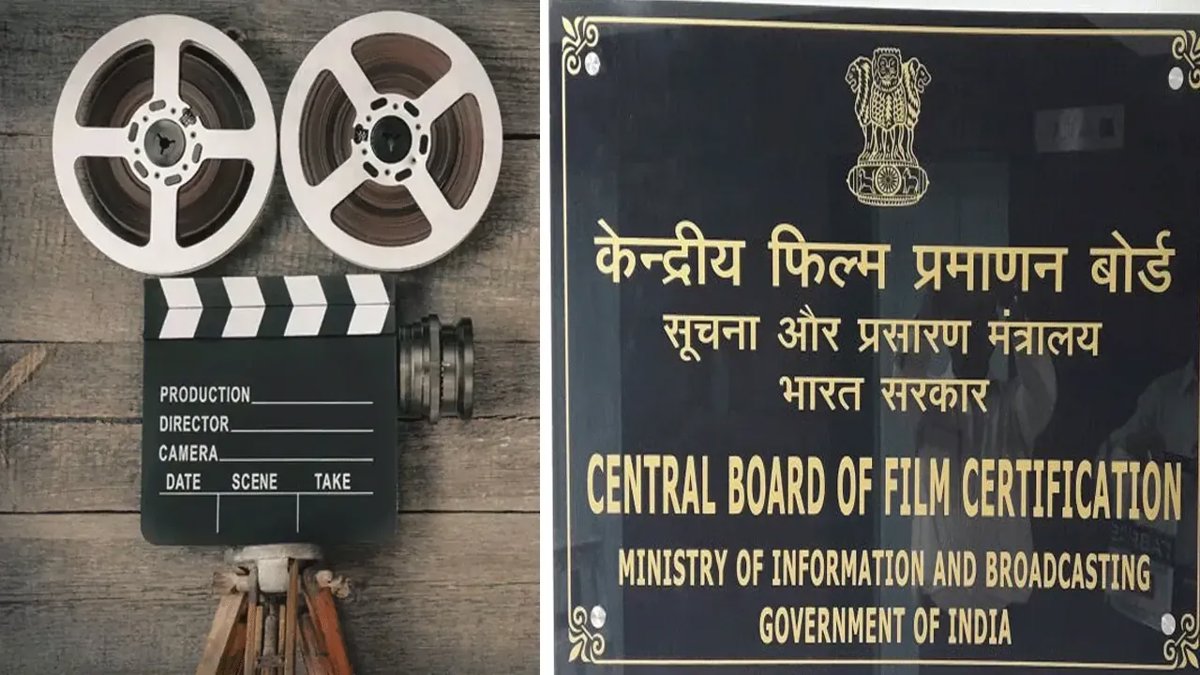
The Central Board of Film Certification (CBFC) has responded to this trend by introducing stricter guidelines. Filmmakers are now required to submit a complete, final cut for certification. The CBFC has specified that only versions with finished titles, credits, subtitles, disclaimers, background score, sound mix, and accessibility features will be considered. Temporary graphics or incomplete prints, which some Tollywood teams previously submitted in a rush to secure a release date, will now be grounds for outright rejection. The Board has made it clear that only the certified version can be screened in theatres, raising the stakes for producers and directors accustomed to flexible timelines.
Industry insiders have mixed reactions to these changes. Some see the new rules as a necessary correction. They argue that the last-minute culture has led to compromised quality, as seen in The Paradise, where the final product drew criticism for feeling unfinished. For these observers, the CBFC’s insistence on a polished, complete submission could force filmmakers to adopt more disciplined production schedules, ultimately benefiting audiences and the industry’s reputation.
Others, however, are wary of the additional pressure. Producers already face challenges from the rise of OTT platforms, which have shifted audience expectations and complicated release strategies. Now, with the CBFC’s firm stance, there is concern that even minor delays in post-production could derail carefully planned release dates. The risk of missing a certification deadline could mean costly rescheduling, lost marketing momentum, and increased financial strain—especially for films operating on tight margins.
The impact of these guidelines is likely to be felt most acutely in Tollywood, where the practice of submitting incomplete prints for certification has been relatively common. The industry’s fast-paced, high-volume release calendar often leaves little room for error, and the new rules may force a cultural shift toward earlier completion of post-production work. This could lead to fewer reshoots and more realistic planning, but it may also expose inefficiencies in the current system.
For the broader Indian cinema landscape, the CBFC’s approach could serve as a model for other regional industries. While Bollywood and Kollywood have also faced issues with last-minute changes, the scale and frequency of such incidents in Tollywood have drawn particular attention. If the new rules prove effective in improving film quality and reducing delays, other film industries may adopt similar standards.
Looking ahead, the coming months will test Tollywood’s ability to adapt. Producers and directors will need to adjust workflows, perhaps investing more in pre-production planning and tighter project management. The fate of upcoming releases will provide an early indication of whether the industry can meet the CBFC’s expectations or if further disruptions are on the horizon. The experience of The Paradise stands as a cautionary tale—and a potential turning point—for how Telugu cinema approaches deadlines and quality control.