Deewana, Zombie Reddy 2, Korean Kanakaraju Land Big OTT Deals After Theatre Runs
Deewana, Korean Kanakaraju, and Zombie Reddy 2 headline a new Telugu trend: rapid OTT releases with multi-language options, reshaping how mid-range hits secure revenue.
Dumtika Editorial
August 4, 2026 · 4 min read
(Image: Dumtika Editorial)
Key Highlights
- Zombie Reddy 2 and Korean Kanakaraju secured OTT deals covering most production costs.
- Deewana and Gatta Kusthi 2 streamed on OTT within weeks of theatrical release.
- Multi-language OTT launches are now standard for mid-range Telugu films.
- Performance-based OTT deals, like Rao Bahadur's, are emerging in a volatile market.
Deewana and Korean Kanakaraju Lead Telugu Films’ Rapid OTT Shift
Harshith Reddy’s 'Deewana' and Varun Tej’s 'Korean Kanakaraju' are at the forefront of a new trend in Telugu cinema, where mid-range hits are moving swiftly from theatres to OTT platforms with multi-language releases. This approach is changing how producers maximize both reach and revenue, especially as box office unpredictability grows.
'Zombie Reddy 2', starring Teja Sajja and directed by Suparn Verma, exemplifies this shift. Produced by People Media Factory, the film secured a non-theatrical rights deal reportedly worth between ₹45 and ₹50 crores before its theatrical run ended. This amount nearly covered the entire production investment, allowing the team to focus on delivering a quality film without the pressure of box office returns. Teja Sajja, who gained popularity with 'Hanu Man' and 'Mirai', continues to build on his franchise success, and fans have shown strong interest in his sequels.
Similarly, Varun Tej’s 'Korean Kanakaraju', directed by Merlapaka Gandhi and produced by UV Creations, closed a ₹26 crore non-theatrical business deal ahead of its August 7 release. With a reported budget of ₹38 crore, this deal offset most of the production costs before the film hit screens. The film’s unique premise—Varun Tej playing both a Rayalaseema native and a Korean mob boss—generated significant buzz on social media, especially after teasers and songs were released. Distributors offered high sums for theatrical rights, ensuring producers secured table profits early.
'Rao Bahadur', a psychological drama produced by Mahesh Babu and Namrata Shirodkar under GMB Entertainment, also locked in a ₹7 crore OTT deal with Netflix before its theatrical debut. Notably, this agreement included a performance-based clause, allowing for a higher payout if the film performed well at the box office—a rare move for mid-range Telugu films. Despite strong pre-release buzz, 'Rao Bahadur' underperformed in theatres but found a new audience and revenue stream after its digital release.
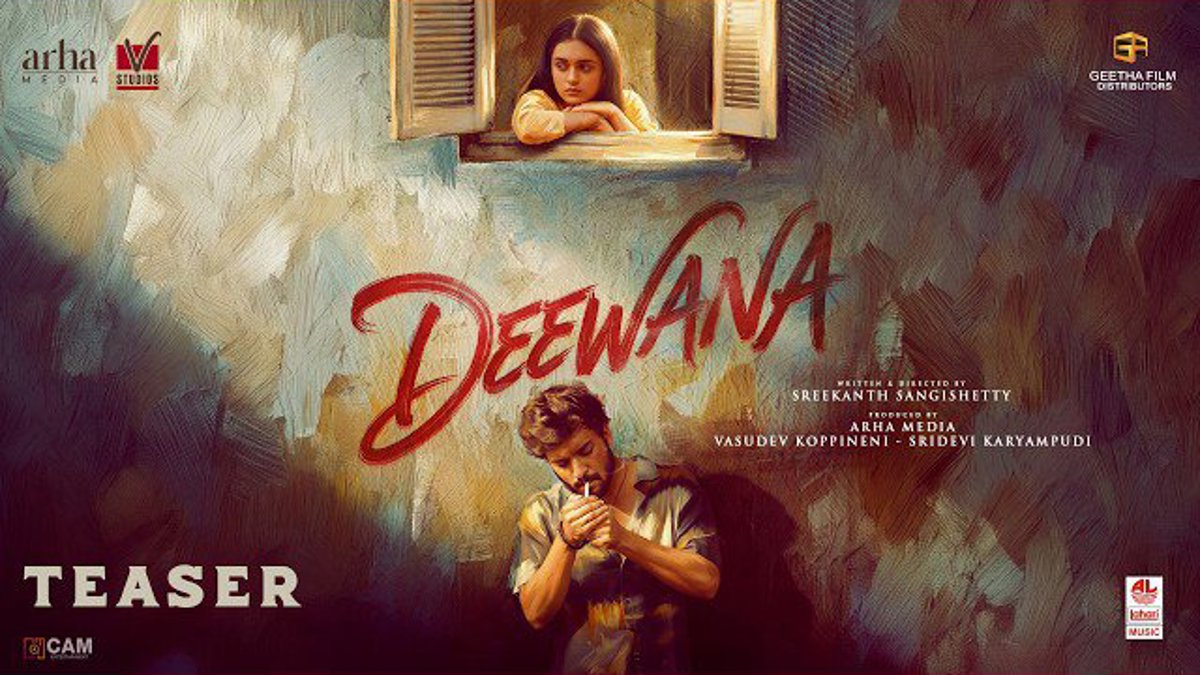
The rapid transition to OTT is not limited to these titles. 'Deewana', starring Harshith Reddy and Sneha Manimegalai, directed by Sreekanth Sangishetty and produced by Geetha Arts, released in cinemas on June 19, 2026, and began streaming on Aha just six weeks later. This compressed window is now common for Telugu mid-budget films. Sports drama 'Gatta Kusthi 2', featuring Vishnu Vishal and Aishwarya Lekshmi and directed by Chella Ayyavu, also moved to Netflix in multiple languages shortly after its theatrical run. Tamil drama 'Chinna Chinna Aasai', starring Madhubala and Indrans, debuted on JioHotstar in several regional languages soon after its release.
This packed OTT slate, especially in the last week of July 2026, highlights a broader industry shift. Producers are increasingly locking digital rights before theatrical runs conclude, reducing reliance on unpredictable box office returns. Industry sources have noted, without direct quotes, that the OTT market has become more challenging, with fewer lucrative deals available. Despite this, the ability of films like 'Rao Bahadur' and 'Balan: The Boy' to attract new audiences online demonstrates how digital reach can compensate for lackluster theatrical performance.
The trend is also visible in Tamil cinema, where Mani Ratnam’s untitled project starring Vijay Sethupathi and Sai Pallavi, with music by AR Rahman, sold its OTT rights to Netflix for ₹20 crores before filming began. While the modest sale price sparked debate, it reflects the current volatility in the streaming market.
With Telugu films like 'Nagabandham' arriving on OTT just 21 days after their theatrical run, the industry is adapting quickly. The rapid, multi-language digital releases are now a strategic choice for mid-range films, ensuring wider reach and financial security in a changing entertainment landscape.