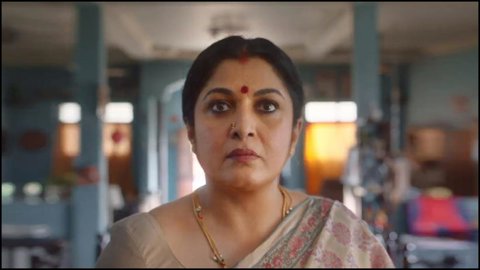
Janhvi Kapoor Must Learn from Kiara: Taking a Stand Beats Blaming Directors
Kiara Advani calls out gender bias over intimate scenes in Toxic, urging the industry to address double standards. Janhvi Kapoor could learn from Kiara's approach of taking a stand.
Dumtika Editorial
November 12, 2026 · 1 min read

(Image: Dumtika Editorial)
Key Highlights
- Kiara Advani addresses gender bias over intimate scenes in Toxic
- She highlights double standards faced by married actresses in the industry
- Kiara clarifies her husband Sidharth Malhotra supports her choices
- Janhvi Kapoor urged to follow Kiara's example of taking a stand
Janhvi Kapoor must learn from Kiara Advani on how to take a stand instead of accusing directors. Kiara Advani, who stars alongside Yash in the film Toxic, has openly addressed the gender bias she faces regarding intimate scenes in the movie. Despite her recent projects drawing mixed responses, Kiara has chosen to confront the industry's double standards rather than shift blame onto filmmakers.
Kiara expressed disappointment at being judged for performing bold scenes simply because she is married, highlighting that male actors can romance multiple actresses on screen without facing similar scrutiny. She pointed out, "Male actors can romance multiple actresses on screen without facing similar criticism, but women are treated differently." Kiara also clarified that her husband, Sidharth Malhotra, was never bothered by her role or the intimate scenes in this big-budget production.
The conversation around Toxic has reignited debates about how married actresses are often judged for their on-screen choices, while their male counterparts rarely face such questions. Kiara's willingness to address these issues directly stands in contrast to the approach of blaming directors for creative decisions. Her comments have sparked renewed discussion about the persistent double standards in the film industry, especially regarding gender and marital status.
By speaking out, Kiara sets an example for other actresses, showing that confronting bias head-on can be more effective than pointing fingers at filmmakers. Her stance is resonating with many who believe the industry needs to move towards a more equitable environment for all artists.