Kiran Abbavaram’s Chennai Love Story Gets Mid-Run Edit After Audience Feedback
Chennai Love Story joins Nagabandham and Peddi as Telugu films making real-time post-release edits to address audience feedback and boost box office results.
Dumtika Editorial
July 30, 2026 · 3 min read
(Image: Dumtika Editorial)
Key Highlights
- Chennai Love Story trimmed content mid-run after mixed second half feedback.
- Nagabandham’s shorter version boosted audience praise and box office collections.
- Peddi’s Netflix release featured key edits, including controversial scene removals.
- Tollywood filmmakers increasingly make real-time post-release edits for audience satisfaction.
Kiran Abbavaram’s Chennai Love Story Responds to Audience Feedback With Mid-Run Edit
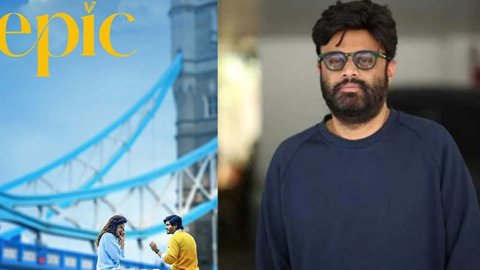
Kiran Abbavaram’s recent romantic drama, Chennai Love Story, has become the latest Telugu film to undergo significant content changes after its initial release, reflecting a growing trend among Tollywood filmmakers to make real-time edits in response to audience reactions. The film, directed by Ravi Namburri and produced by SKN and Sai Rajesh, opened to strong box office numbers and marked a career-best opening weekend for Abbavaram. However, despite the commercial success and a positive reception for its first half, some viewers found the second half less engaging, prompting swift action from the makers.
Director Ravi Namburri addressed these concerns in a post-release interview, revealing that the original cut of Chennai Love Story was nearly four and a half hours long. To make the film suitable for theatrical release, significant portions were trimmed. Namburri explained, "if those scenes had been retained, many of the concerns surrounding the second half might not have existed." He noted that while the decision to shorten the film was necessary, it came at the cost of some narrative depth. The editing choices have since sparked lively discussion among moviegoers, with some suggesting that the trimmed content could have enhanced the film’s latter half.
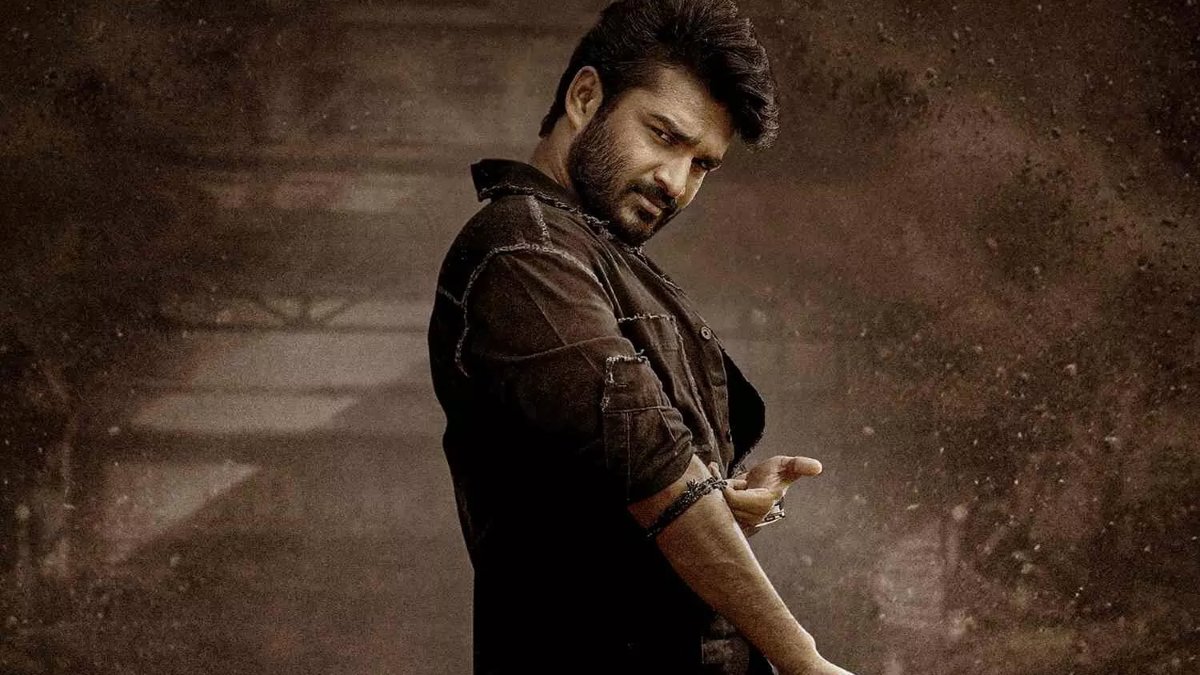
This move by the Chennai Love Story team is not an isolated case in the Telugu film industry. Earlier this month, Nagabandham, starring Virat Karrna and directed by Abhishek Nama, underwent a similar transformation. After its initial release, Nagabandham faced criticism for its lengthy runtime, which many felt detracted from the film’s impact. Responding to this feedback, the makers quickly released a trimmed version, editing out several segments to create a sharper, more engaging narrative. The results were immediate: social media buzzed with praise for the improved pacing, and the film’s box office fortunes rebounded, with Nagabandham crossing half a million bookings and grossing over ₹35 crore worldwide in its first week. Veteran actor Jagapathi Babu, who appeared in the film, commented that "Nagabandham was unfairly targeted, with excessive focus on its runtime overshadowing its strengths," and applauded the team’s quick response.
The trend extends beyond theatrical releases. Peddi, starring Ram Charan and directed by Buchi Babu Sana, debuted on Netflix this month with a revised final cut. The OTT version, running 3 hours and 5 minutes, is shorter than the original theatrical release. Key changes were made for the digital audience, including trimming controversial scenes involving Janhvi Kapoor’s character and adjusting the climax to avoid reigniting earlier criticisms. According to reports, "the makers opted for a safer edit without disturbing the overall narrative," a decision that has become a talking point among digital viewers.
These cases highlight a clear shift in Tollywood, where filmmakers are increasingly willing to adapt their content post-release to meet audience expectations and salvage box office performance. The swift edits to Chennai Love Story, Nagabandham, and Peddi demonstrate a new responsiveness, with directors and producers closely monitoring feedback and making real-time changes to improve viewer satisfaction. As Telugu cinema continues to evolve, this trend of post-release modifications may become a defining feature of the industry’s approach to storytelling and audience engagement.