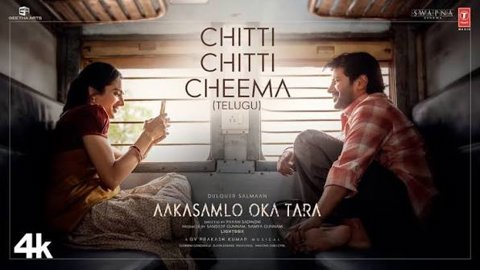
Nani Calls for a ₹300 Crore Love Story: Can Romance Rule Tollywood Again?
Nani urges Tollywood to back a ₹300 crore love story, challenging the dominance of action films. Can romance make a big-screen comeback in Telugu cinema?
Dumtika Editorial
November 2, 2026 · 4 min read
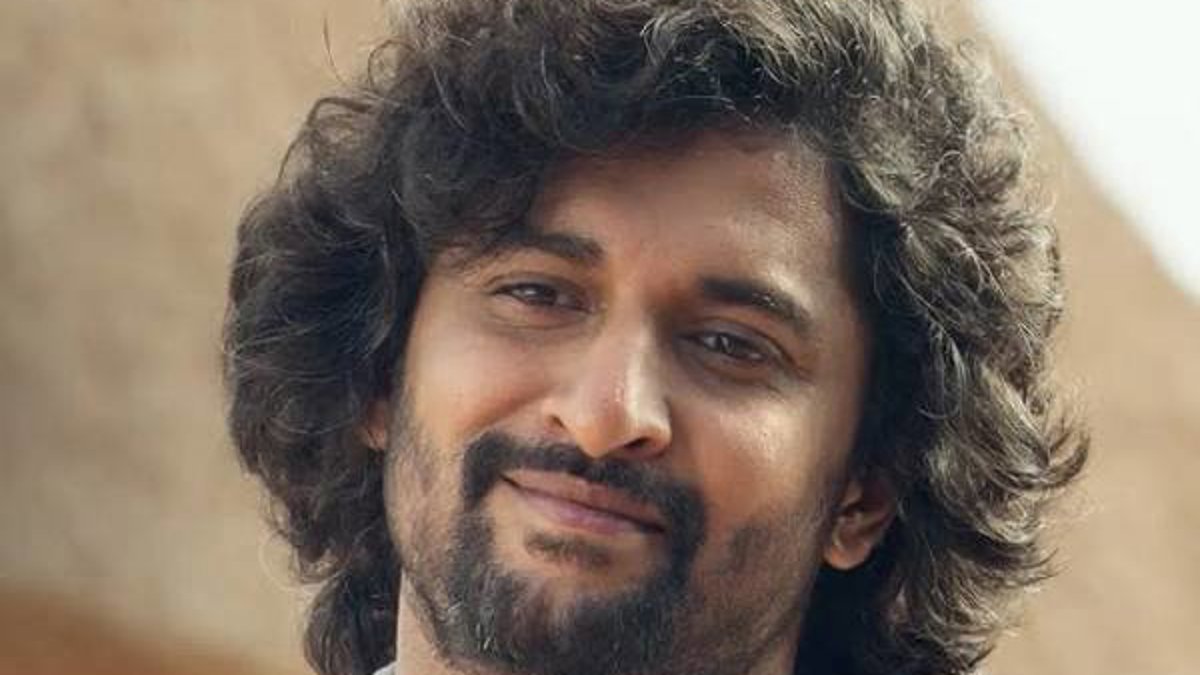
(Image: Dumtika Editorial)
Key Highlights
- Nani urges Tollywood to back a ₹300 crore love story, challenging action film dominance.
- Romance once defined Telugu cinema, with hits like Kushi and Bommarillu.
- Industry divided: some see risk, others see opportunity for emotional storytelling.
- Malayalam films show rooted love stories can succeed across languages.
When Nani recently voiced his desire to see a simple love story collect ₹300 crore at the box office, he reignited a conversation that has been simmering beneath the surface of Telugu cinema. His statement, made in the context of Tollywood’s current obsession with high-budget action dramas and pan-Indian spectacles, challenges the industry to revisit a genre that once defined its emotional core: the romance.
In the early 2000s, Telugu audiences flocked to theatres for films like "Darling", "Ye Maaya Chesave", "Kushi", and "Bommarillu". These movies didn’t rely on visual spectacle or franchise ambitions. Instead, they drew crowds with relatable characters, heartfelt storytelling, and fresh romantic pairings. The impact was visible not just in ticket sales but in the way songs and on-screen couples became part of popular culture. Nani himself emerged as a leading man through love stories such as "Ashta Chamma", "Ala Modalaindi", and "Ninnu Kori", proving that a strong emotional narrative could launch careers and connect deeply with viewers.
However, the landscape has shifted. In recent years, Tollywood’s biggest stars have gravitated towards action-heavy scripts and larger-than-life roles. The industry’s focus has moved to pan-Indian appeal, with massive budgets and box office expectations shaping creative choices. Producers and directors often prioritise commercial templates—action set pieces, elevation scenes, and franchise potential—over the simplicity of a love story. This shift has led to a perception that romance is too risky for big investments, especially when compared to the proven returns of action blockbusters.
Nani’s call for a ₹300 crore love story is not just wishful thinking. It is a challenge to the industry’s collective mindset. He argues that emotionally rooted stories have the power to bring families back to theatres, suggesting that the problem may not lie with the audience’s appetite for romance, but with the lack of compelling offerings in the genre. His perspective finds support in the success of Malayalam films like "Premalu" and "Bethlehem Kudumba Unit", which have crossed linguistic barriers and found audiences far beyond Kerala. These films demonstrate that viewers are open to stories that make them laugh, feel, and connect, regardless of scale or spectacle.
Industry insiders are divided on whether Tollywood can—or should—return to its romance roots. Some producers remain cautious, pointing to the financial risks of mounting a love story on a grand scale. They argue that without the safety net of action or star-driven narratives, a big-budget romance could struggle to recover its investment. Others, however, see opportunity in the current landscape. With audiences increasingly seeking fresh experiences and relatable content, a well-crafted love story could stand out amid a sea of formulaic action films.
The question of who will take the first step remains open. Nani’s own career trajectory offers a blueprint: established heroes willing to experiment, directors ready to write heartfelt romances, and producers confident enough to back them. The industry’s history shows that romance, when done right, can be both critically acclaimed and commercially successful. The challenge lies in convincing stakeholders to move beyond the current template and invest in stories that prioritise emotion over spectacle.
For Tollywood, the implications are significant. A successful big-budget love story could reset expectations for what constitutes a blockbuster, encouraging more diversity in storytelling. It could also attract family audiences and younger viewers who feel alienated by relentless action and formulaic scripts. For Indian cinema at large, the resurgence of romance in Telugu films could inspire similar shifts in other industries, as seen with Malayalam cinema’s recent successes.
Looking ahead, industry watchers will be keen to see if Nani’s vision translates into action. Will leading stars and top directors embrace the challenge? Will producers allocate major budgets to romance, trusting in the audience’s emotional connection? The next few years could determine whether Tollywood reclaims its legacy as a home for memorable love stories—or continues down the path of spectacle-driven cinema.