OTT Delays Stall Big Releases of Chiranjeevi and Prabhas in Tollywood
Chiranjeevi’s Vishwambara and Prabhas’ Fauzi face release delays due to ongoing OTT rights negotiations, highlighting new challenges in Tollywood's digital landscape.
Dumtika Editorial
March 29, 2026 · 2 min read
(Image: Dumtika Editorial)
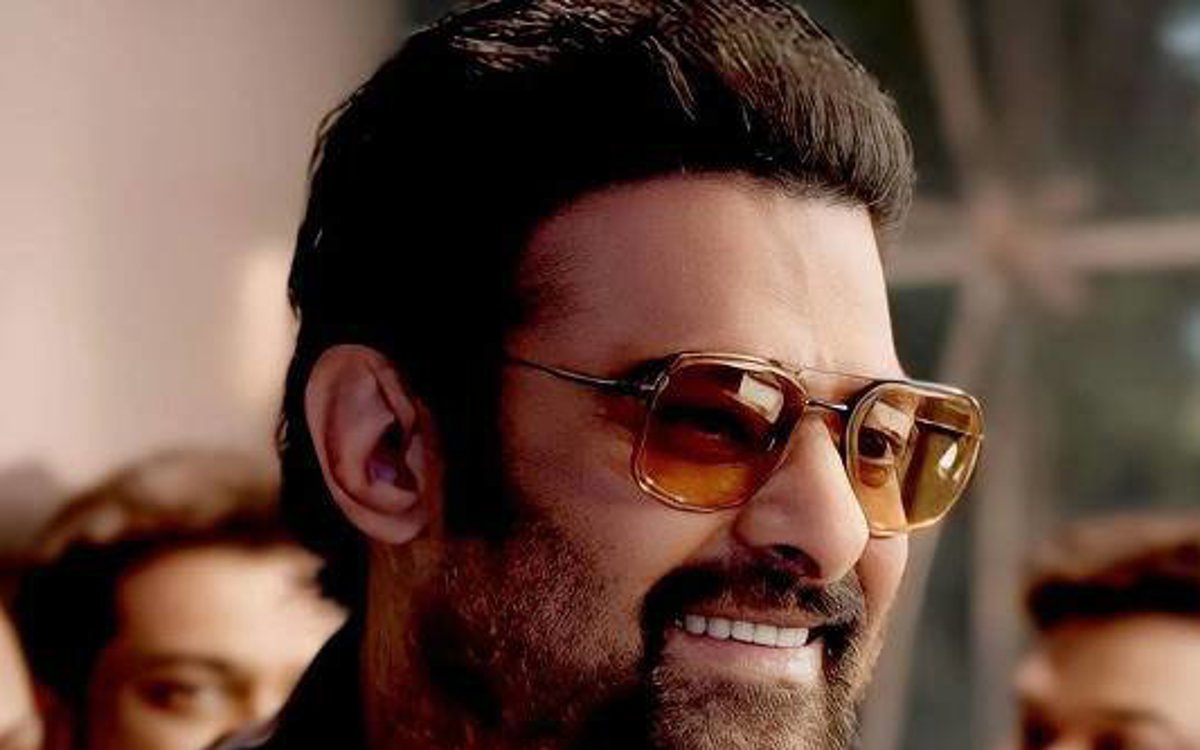
Recently, the much-anticipated release dates of megastar Chiranjeevi’s Vishwambara and Prabhas’ Fauzi have been pushed back due to unresolved OTT rights deals. Despite Vishwambara’s VFX completion and Fauzi’s initial plan for a Dasara release, both films remain in limbo as producers strive to secure satisfactory digital distribution agreements, underscoring a growing challenge in Tollywood's release ecosystem.
Vishwambara’s pending OTT negotiations have stalled its theatrical debut, even after the film was shot and post-production wrapped up. Similarly, Fauzi, backed by Mythri Movie Makers, is grappling with early-stage talks with streaming platforms, a situation exacerbated by the recent underperformance of Prabhas’ projects, which has cooled OTT interest. These cases highlight a new bottleneck where digital rights heavily influence theatrical timelines.
Industry insiders express caution, attributing the OTT delay to a recalibration of streaming platforms’ content spend and a more stringent evaluation of star-driven projects following mixed audience responses. They argue this could lead to more strategic, data-driven decision-making in digital acquisitions.
Conversely, some executives remain optimistic, viewing this phase as a market correction that will ultimately benefit producers and platforms by encouraging stronger content quality and fairer valuations. Data from other recent Telugu releases shows that successful OTT partnerships can boost a film’s revenue lifecycle, suggesting that finalizing these deals is crucial despite the wait.
For Tollywood, these OTT hurdles represent a shifting paradigm where the synergy between theatrical and digital windows is being renegotiated. Andhra Pradesh and Telangana producers must navigate this evolving landscape carefully, balancing star power with digital market realities to sustain growth.
On a broader scale, Indian cinema is witnessing a similar trend where OTT platforms assert more control over release strategies, reflecting increased competition and content glut. This may push filmmakers nationwide to innovate in storytelling and distribution models to maintain audience engagement across mediums.
Looking ahead, the Telugu film industry should watch how OTT negotiations evolve for marquee projects like Vishwambara and Fauzi, which could set benchmarks for future deals. Industry watchers anticipate a gradual normalization of digital-rights discussions with clearer frameworks and possibly hybrid release models. The coming months will be critical in defining Tollywood’s approach to balancing box office ambitions with streaming economics in an increasingly digital-first market.