Ravi Teja's Irumudi Triumphs on Profit-Sharing Model as Ram's Andhra King Taluka Stumbles
Ravi Teja's success with Irumudi and Ram's setback with Andhra King Taluka spotlight Tollywood's shift to profit-sharing deals, revealing both the rewards and risks for top actors.
Dumtika Editorial
September 2, 2026 · 4 min read
(Image: Dumtika Editorial)
Key Highlights
- Ravi Teja's Irumudi outperformed expectations under a profit-sharing deal.
- Ram's Andhra King Taluka failed at the box office, impacting his earnings.
- Profit-sharing models are gaining ground in Tollywood amid market changes.
- Industry debates whether this approach benefits actors or increases their risk.
The Telugu film industry is witnessing a significant shift in remuneration models, with profit-sharing deals gaining traction among top actors and producers. This trend has produced sharply contrasting outcomes for two leading stars: Ravi Teja and Ram.
Mythri Movie Makers, one of Tollywood's most influential production houses, has been at the forefront of this change. The company, known for backing major projects with stars like Prabhas, NTR, Ram Charan, and Allu Arjun, recently experimented with profit-sharing arrangements for its films. After being impressed by the script of 'Andhra King Taluka', Mythri Movie Makers approached Ram with a proposal that would tie his earnings to the film's box office performance rather than a fixed upfront fee.
Ram, who had previously commanded a remuneration of ₹25 crore, agreed to the new model. However, 'Andhra King Taluka' failed to connect with audiences and did not achieve box office success. As a result, Ram's earnings from the film were significantly lower than his usual fee. This outcome has sparked debate among industry insiders about the risks actors face when their remuneration is directly linked to a film's commercial fate, especially after a string of underperforming releases.
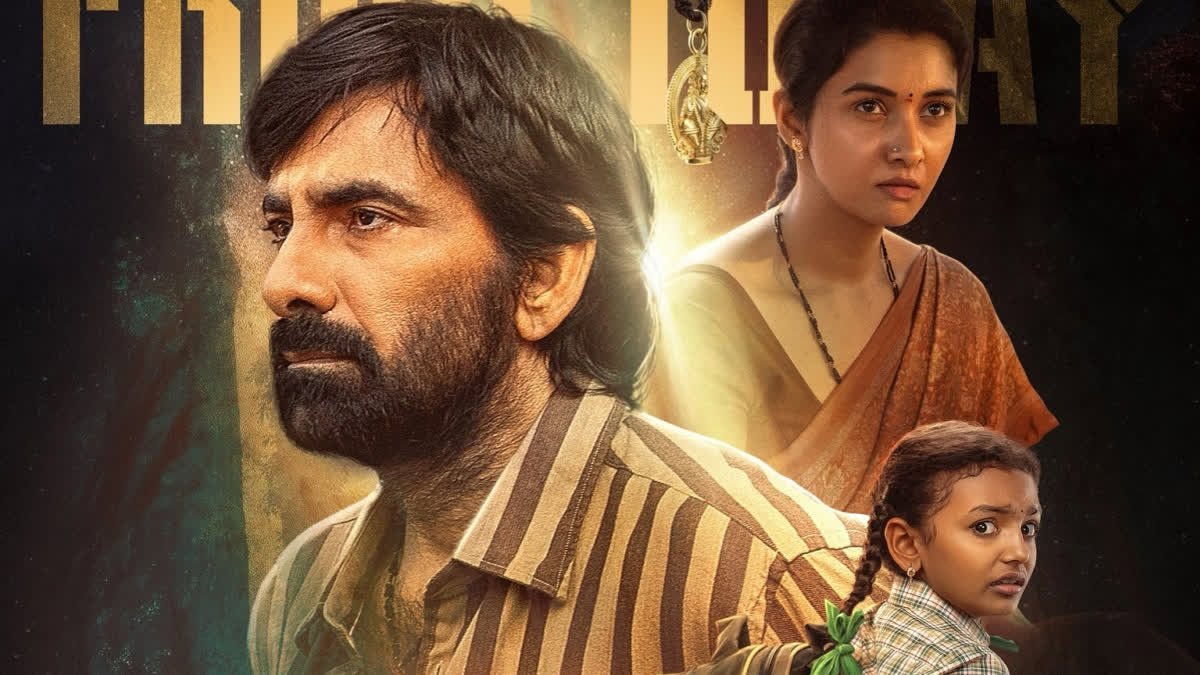
In stark contrast, Ravi Teja's approach to the profit-sharing model has yielded positive results. For his film 'Irumudi', Ravi Teja opted for a minimum upfront payment to cover his expenses and secured the Nizam distribution rights as part of his compensation. With 'Irumudi' performing well at the box office, the revenue from the Nizam region alone has reportedly surpassed Ravi Teja's typical remuneration. This strategic move has been described by some as a smart adaptation to the current market, where traditional fixed-fee deals have become less common due to a decline in the Hindi market and shrinking OTT deals.
Industry observers have noted that the downturn in the Hindi theatrical market and reduced OTT acquisition prices have pushed Telugu producers to seek models that minimize financial risk. Profit-sharing is seen as a way to align the interests of actors and producers, ensuring that both parties benefit from a film's success while sharing the burden of any losses. However, the contrasting fortunes of Ram and Ravi Teja illustrate that this model is far from a guaranteed win for actors, especially those whose recent films have struggled at the box office.
Some producers argue that profit-sharing deals are a necessary evolution in the current climate. They point out that the model reduces upfront costs and encourages stars to take a more active role in promoting their films. Others, however, caution that the model can be punishing for actors if a project fails, as seen with Ram's experience on 'Andhra King Taluka'.
Earlier this year, Ravi Teja faced a downturn in his career after a series of flops, prompting him to reconsider his approach to remuneration. By the time 'Irumudi' was released, he had shifted to a profit-sharing model, a move that has since been validated by the film's success. This outcome has led some in the industry to view profit-sharing as a viable path for actors willing to bet on the strength of their projects and their own market pull.
The implications for Tollywood are significant. As more actors and producers experiment with profit-sharing, the industry could see a realignment of star power and financial risk. For established stars with consistent box office appeal, the model offers the potential for higher earnings. For others, it introduces a new level of uncertainty, making project selection and audience engagement more critical than ever.
The trend also has broader ramifications for Indian cinema. As Telugu producers adapt to changing market dynamics, their strategies could influence remuneration models in other industries, especially if profit-sharing continues to deliver positive results for both actors and producers. The contrasting experiences of Ravi Teja and Ram will likely serve as case studies for future negotiations and deal structures.
Looking ahead, industry watchers will be closely monitoring how other top stars respond to the evolving landscape. With Mythri Movie Makers and other major banners continuing to back profit-sharing deals, the next wave of releases could further clarify whether this model is a sustainable solution or a risky gamble for Tollywood's biggest names.