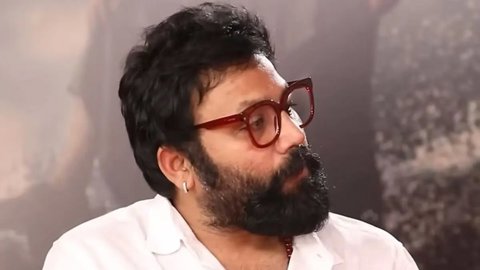
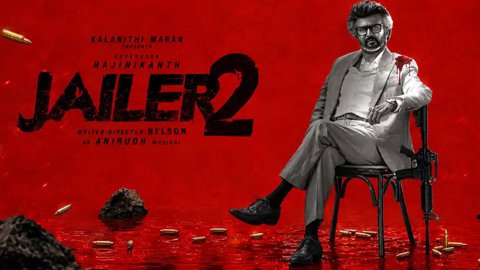
Ravi Teja, Yash Embrace Profit-Sharing for 'Irumudi' and 'Toxic'
Ravi Teja and Yash have adopted profit-sharing models for 'Irumudi' and 'Toxic', reflecting a growing trend among Telugu stars as producers face box office and OTT challenges.
Dumtika Editorial
August 11, 2026 · 3 min read
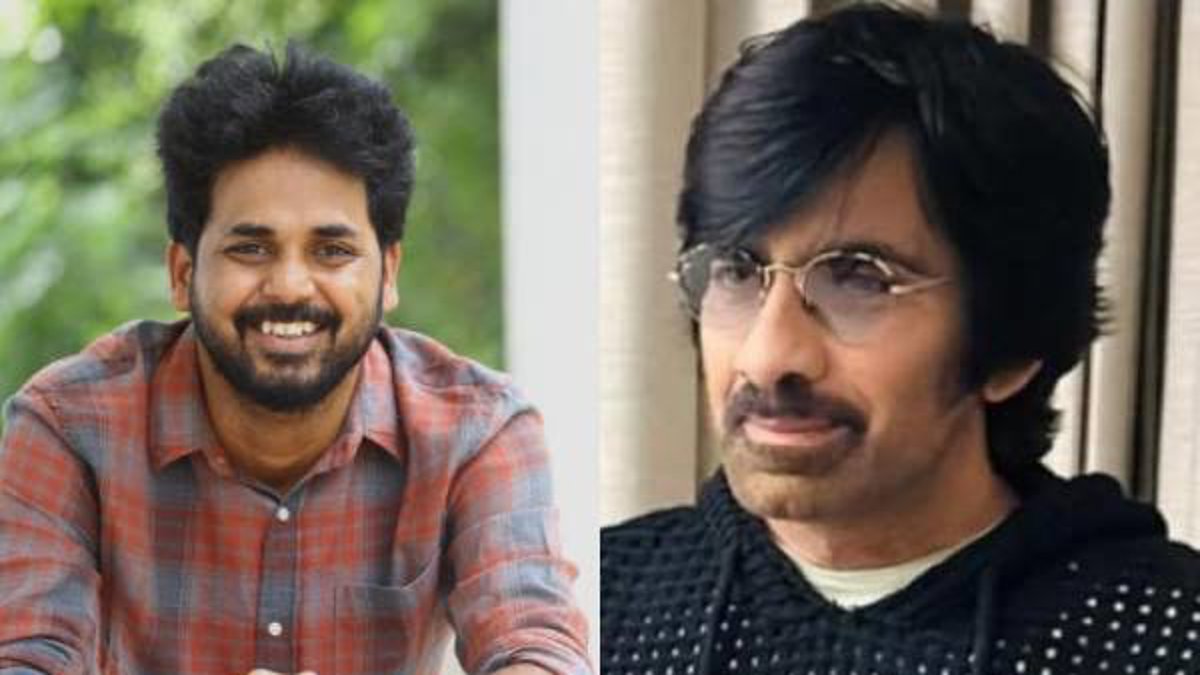
(Image: Dumtika Editorial)
Key Highlights
- Ravi Teja and Yash both adopted profit-sharing for 'Irumudi' and 'Toxic'.
- Producers cite rising costs and weak OTT deals as reasons for the shift.
- Recent Telugu films secure major OTT deals to offset box office risk.
- Profit-sharing is gaining ground as a new norm for top Telugu stars.
Ravi Teja has taken a decisive turn in his career by adopting a profit-sharing remuneration model for his film 'Irumudi', following a series of underwhelming box office results. The film, which was released on August 21, 2023, saw a notable production shakeup when Mythri Movie Makers exited the project, leaving Laxman, a partner of Dil Raju, to take over as producer. While the reasons for Mythri's departure remain undisclosed, this move highlighted the growing uncertainty and risk aversion among established production houses in the current Telugu cinema landscape.
Simultaneously, Kannada superstar Yash has also opted for a profit-sharing arrangement in his much-talked-about film 'Toxic'. The film's trailer generated significant buzz, and Yash's own company is distributing the movie in Karnataka, with Dil Raju handling the Telugu states. Reports indicate that the producers are negotiating a substantial advance for the Telugu distribution rights, which has led major digital platforms like Netflix and Amazon to step back from acquiring the film's digital rights. The expectation is that 'Toxic' will recover its investment prior to release, thanks in part to a strong ensemble cast and the star's market pull.
This shift towards profit-sharing by top stars is not occurring in isolation. In a widely circulated 2023 interview, Telugu producer Naga Vamsi openly discussed the financial pressures facing the industry. He pointed to escalating production costs, ineffective promotional spending, and the impact of GST on theatrical business as key challenges. Vamsi specifically noted that Telugu actors have become more open to profit-sharing models, a trend he linked to the downturn in lucrative OTT deals. "The OTT market has crashed big time, and closing the deal itself has now become a big task," one source observed, reflecting the broader industry sentiment.
Recent months have seen mid-budget Telugu films like 'Zombie Reddy 2' and 'Korean Kanakaraju' secure major OTT deals even before their theatrical runs concluded. For instance, 'Zombie Reddy 2', starring Teja Sajja and produced by People Media Factory, clinched a non-theatrical rights deal reportedly worth ₹45-50 crores, nearly covering its entire production cost. Similarly, Varun Tej's 'Korean Kanakaraju', produced by UV Creations, locked in a ₹26 crore non-theatrical business deal ahead of its August 7 release, offsetting most of its ₹38 crore budget before hitting screens. These examples underscore the growing reliance on pre-release digital and satellite deals as a financial safety net, especially as box office unpredictability persists.
However, the profit-sharing model is emerging as a preferred alternative for top-tier stars whose films command significant theatrical and satellite value. This approach allows actors to share in the upside if a film succeeds, while reducing the upfront financial burden on producers. Naga Vamsi's remarks about reducing shooting days and managing budgets more tightly further illustrate the industry's efforts to adapt to the new economic reality.
The trend is not limited to Telugu cinema. In Tamil, high-profile projects like Mani Ratnam's untitled film with Vijay Sethupathi and Sai Pallavi have also opted for early OTT deals, though at more modest prices than in previous years. The volatility in the digital rights market has made profit-sharing an attractive option for stars and producers alike, especially when traditional revenue streams are under pressure.
As the Telugu film industry continues to navigate these challenges, the profit-sharing model adopted by stars like Ravi Teja and Yash may well signal a broader shift in how remuneration and risk are balanced in big-budget Indian cinema.