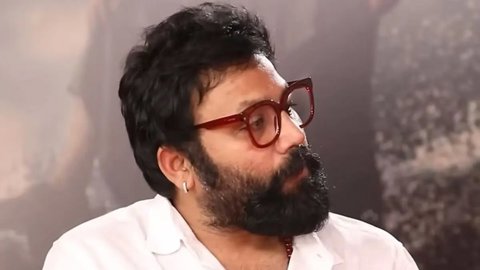
S Naga Vamsi Moves Distribution to Annapurna Studios, Shifts Tollywood Alliances
S Naga Vamsi has shifted his film distribution from Haarika & Hassine Creations to Annapurna Studios, mirroring a trend of Telugu producers seeking new alliances amid changing industry economics.
Dumtika Editorial
August 15, 2026 · 3 min read
(Image: Dumtika Editorial)
Key Highlights
- S Naga Vamsi shifts distribution from Haarika & Hassine Creations to Annapurna Studios.
- Recent Telugu films secure major OTT deals before or soon after theatrical release.
- Producers adapt to rising costs and unpredictable box office by diversifying partnerships.
- Dil Raju remains active, negotiating rights for 'Aadarsha Kutumbam House No: 47'.
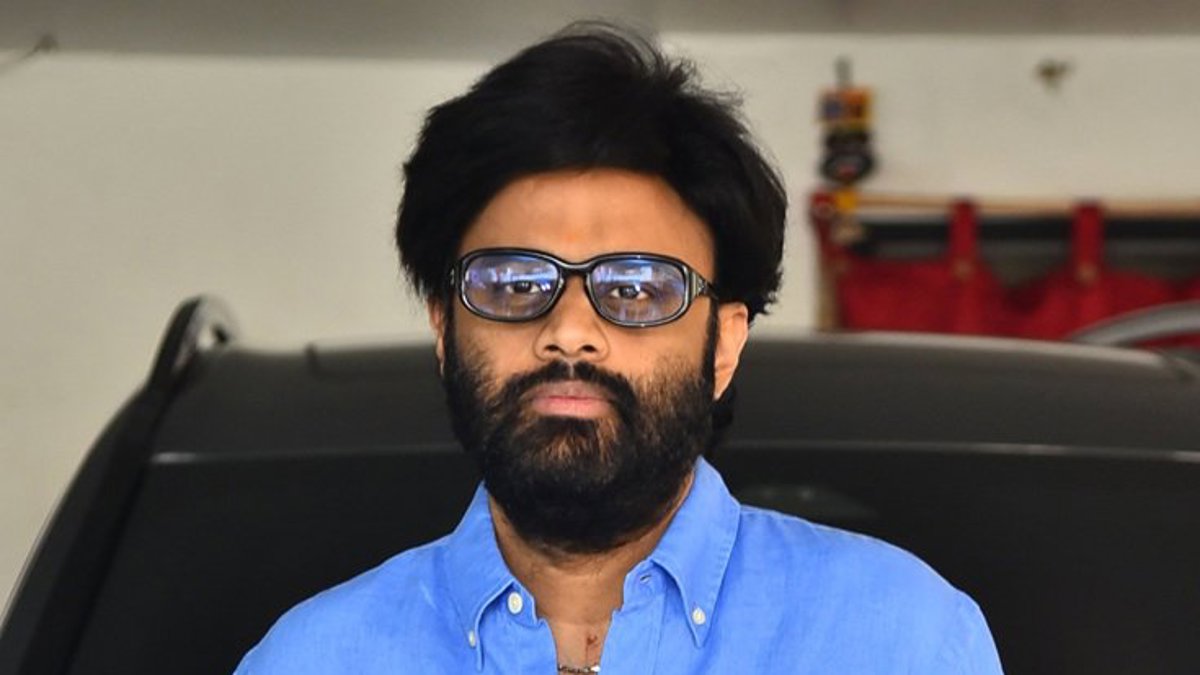
S Naga Vamsi, known for producing films like 'Vishwanath and Sons' starring Suriya, has made a significant move by shifting the distribution of his future projects from Haarika & Hassine Creations to Annapurna Studios. This decision comes despite his continued cordial relationship with top producer Dil Raju, whom he has publicly called an inspiration. The move signals a broader trend in the Telugu film industry, where leading producers are rethinking their distribution strategies amid changing business realities.
S Naga Vamsi’s decision follows a period of intense scrutiny on the economics of Telugu cinema. In a widely circulated 2023 interview, he spoke candidly about the mounting costs faced by producers, including expensive publicity campaigns and the challenge of shrinking OTT deals. He noted, "Producers were putting substantial money into film promotions without a corresponding rise in theatre footfalls," and suggested that cutting down the number of shooting days could help contain costs. His remarks about the shifting landscape, including the impact of GST on distributor risk, resonated with many in the industry and sparked discussion on social media.
The distribution shakeup comes at a time when other Telugu producers are also exploring new alliances and revenue models. Recent months have seen a surge in pre-release OTT deals for mid-budget films. Teja Sajja’s 'Zombie Reddy 2', produced by People Media Factory and directed by Suparn Verma, secured non-theatrical rights reportedly worth ₹45–50 crore before its theatrical run ended, nearly covering its production costs. Similarly, Varun Tej’s 'Korean Kanakaraju', produced by UV Creations and directed by Merlapaka Gandhi, closed a ₹26 crore non-theatrical deal before its August 7 release, offsetting most of its ₹38 crore budget. These deals have allowed producers to focus on content quality without the pressure of box office returns.
The trend is not limited to Telugu cinema. In Tamil, Mani Ratnam’s untitled project starring Vijay Sethupathi and Sai Pallavi sold its OTT rights to Netflix for ₹20 crore before filming began, reflecting the volatility of the current digital rights market. Industry observers have noted that "the OTT market has crashed big time, and closing the deal itself has now become a big task." Even high-profile collaborations must now secure digital partners early to ensure financial viability.
Meanwhile, the rapid shift to OTT is affecting theatrical exhibitors. Films like 'Deewana' and 'Gatta Kusthi 2' have moved to streaming platforms within weeks of their cinema release, compressing the traditional release window and putting pressure on single-screen and multiplex owners. This new reality is prompting more producers to diversify their distribution partnerships, as S Naga Vamsi has done, in search of greater flexibility and financial security.
Despite moving his distribution to Annapurna Studios, S Naga Vamsi continues to maintain a positive relationship with Dil Raju. At the same time, Dil Raju remains active in the distribution space, currently negotiating for the Nizam theatrical rights of 'Aadarsha Kutumbam House No: 47', directed by Trivikram and starring Venkatesh, which was scheduled for release on October 2, 2023. No final decision on those rights has been reported.
The evolving strategies of producers like S Naga Vamsi reflect a Telugu film industry in transition, as shifting economics and audience habits drive new partnerships and release models.