Sandeep Reddy Vanga vs Sekhar Kammula: Tollywood’s Hero Debate Heats Up
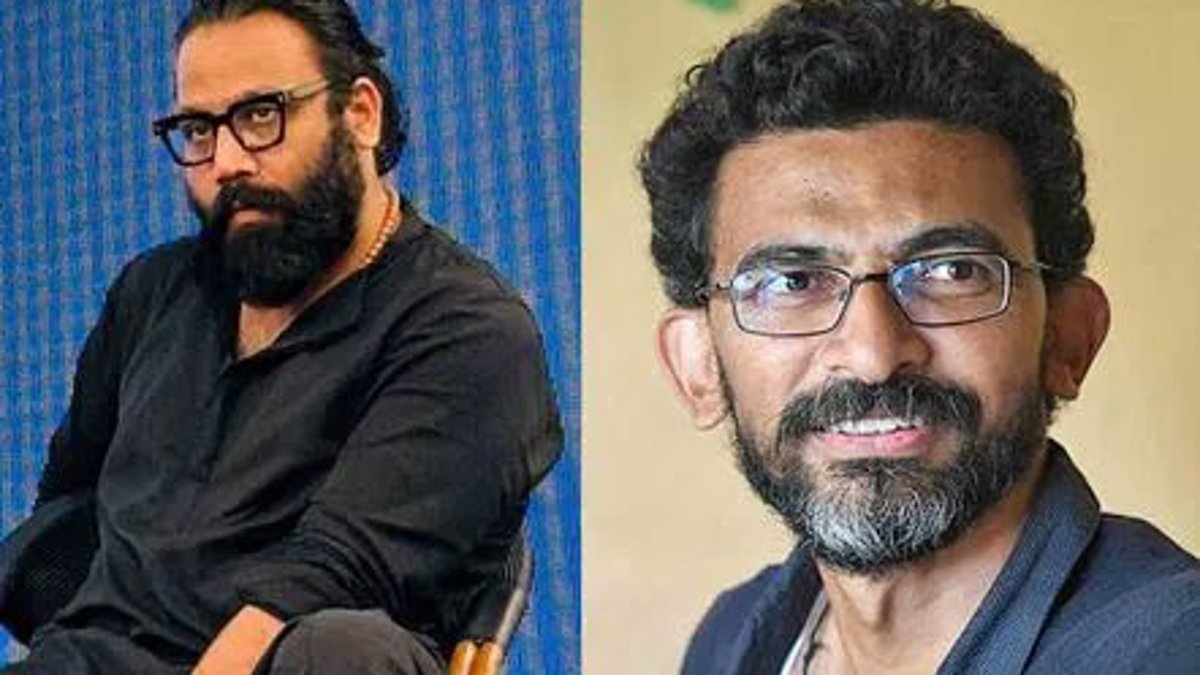
Sandeep Reddy Vanga’s recent remarks on Sekhar Kammula’s heroes have reignited a debate on masculinity in Telugu cinema, highlighting two sharply contrasting visions of what makes a hero.
Dumtika Editorial
September 9, 2026 · 4 min read
(Image: Dumtika Editorial)
Key Highlights
- Vanga’s comments on Kammula’s heroes spark debate on masculinity in Telugu cinema
- Kammula’s films feature empathetic, emotionally open male leads
- Vanga’s protagonists are intense, flawed, and controversial
- Both directors have found loyal audiences, reflecting diverse tastes
Sandeep Reddy Vanga’s candid comments about Sekhar Kammula’s heroes at a recent pre-release event have set off a new round of debate in Tollywood circles. When asked about Kammula’s protagonists, Vanga stated that they do not particularly appeal to him, though he added an appreciation for the heroines in Kammula’s films. This remark quickly gained traction online, with supporters of both directors dissecting their sharply contrasting approaches to what defines a cinematic hero.
The discussion is not just about two filmmakers but about two fundamentally different visions of masculinity on screen. Sekhar Kammula, since the late 1990s, has consistently crafted male leads who are emotionally open, empathetic, and grounded. Films like "Anand," "Godavari," and "Leader" showcase protagonists who are remembered for their kindness, emotional complexity, and idealism. Even the everyday characters in "Happy Days" become memorable by staying true to their world and values, rather than through grand gestures or displays of dominance. Kammula’s heroes often win the audience over by quietly embodying goodness, rather than loudly proclaiming it.
This philosophy stands in stark contrast to the world Sandeep Reddy Vanga has built. Vanga’s films, including "Arjun Reddy," "Kabir Singh," and "Animal," feature male leads who are unapologetically flawed, volatile, and intensely masculine. These characters are driven by rage, obsession, and possessiveness, and their actions frequently spark debate over whether Vanga is simply portraying toxic behaviour or, at times, glorifying it. The aggression and moral ambiguity in his protagonists have made his films lightning rods for discussion, with audiences split on whether this brand of heroism is a reflection of reality or a problematic ideal.
The contrast is perhaps most visible in how each director handles romance. In Vanga’s universe, love is often turbulent—marked by conflict, possessiveness, and a raw, physical intensity. In Kammula’s films, love is quieter and more respectful, grounded in understanding, acceptance, and support for the woman’s choices. This divergence has led to passionate arguments online about which vision better reflects what audiences want from their heroes.
Industry insiders point out that both filmmakers have found significant followings, suggesting that the Telugu audience is far from monolithic in its tastes. Vanga’s films have achieved major box office success, indicating a strong appetite for his intense, controversial protagonists. At the same time, Kammula’s earlier works continue to be revisited and cherished, with characters like Anand and Arjun Prasad remaining cultural touchstones years after their films’ releases.
Some industry voices argue that Kammula’s approach is more in tune with a growing demand for emotionally intelligent male leads, especially as broader conversations about masculinity and mental health gain traction in Indian society. They point to the enduring popularity of his films as evidence that audiences are ready for heroes who are allowed to be vulnerable and empathetic. Others counter that Vanga’s success at the box office proves there is still a large segment of viewers who prefer their heroes to be larger-than-life, even if that means embracing their flaws and aggression.
For Tollywood, this debate is more than academic. The industry is at a crossroads, with filmmakers and studios weighing which direction to take as audience preferences evolve. The success of both Vanga and Kammula suggests that there is room for multiple interpretations of heroism, but it also raises questions about what values the industry wants to promote. The conversation is further complicated by the fact that both directors have managed to connect with viewers, albeit through very different means.
The implications extend beyond Telugu cinema. As Indian films reach wider audiences through streaming platforms and pan-India releases, the question of what kind of hero resonates is becoming increasingly relevant. The debate between Vanga’s and Kammula’s models of masculinity is likely to influence not just Tollywood but also the broader landscape of Indian cinema, where filmmakers are constantly negotiating between tradition and change.
Looking ahead, the industry will be watching closely to see how future films from both directors are received. Will audiences continue to embrace Vanga’s intense, controversial protagonists, or will there be a shift towards the more emotionally nuanced heroes championed by Kammula? The answer could shape the next era of Telugu cinema, as filmmakers and studios respond to the evolving expectations of their viewers.