Vimal Theatre's Revival Sets New Standard for Hyderabad Single Screens
Vimal Theatre in Hyderabad, renovated by Mythri Movie Makers, is drawing packed houses and setting a new benchmark for single screens, inspiring a wave of upgrades across Telangana.
Dumtika Editorial
October 24, 2026 · 4 min read
(Image: Dumtika Editorial)
Key Highlights
- Vimal Theatre in Hyderabad sees highest single screen occupancy post-renovation
- Mythri Movie Makers invests heavily to modernise and upgrade theatre experience
- Success prompts Mythri to renovate more single screens across Telangana
- Revival offers a potential model for single screens in Tollywood and beyond
In Hyderabad, Vimal Theatre has emerged as a rare success story among single screens, following a major renovation led by Mythri Film Distributors. This transformation comes at a time when many single screen cinemas across the Telugu states have struggled to survive, with hundreds shutting down in recent years due to shifting audience habits and the lingering impact of the pandemic.
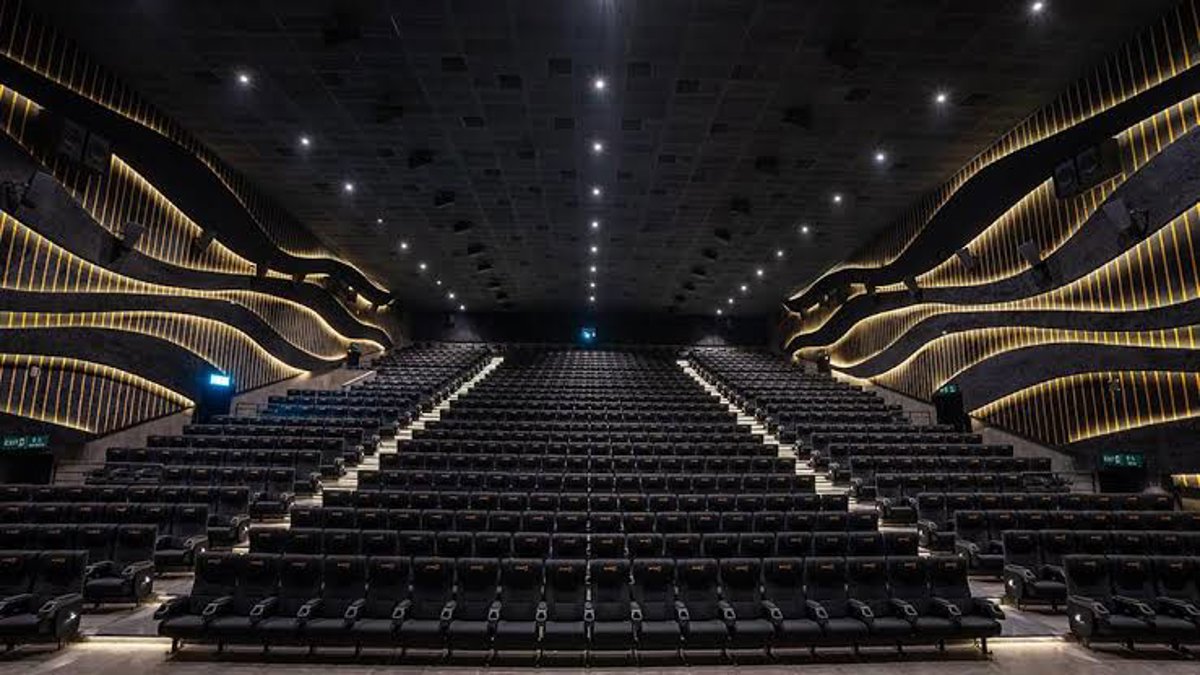
Mythri Movie Makers, already a prominent name in Telugu film production and distribution, took a bold step by investing heavily in Vimal Theatre. The renovation focused on modernising the venue, upgrading projection and sound systems, and delivering an experience that could rival multiplexes. The results have been striking: over the past two years, Vimal Theatre has recorded the highest occupancy rates among single screens in and around Hyderabad. Packed houses have become the norm, regardless of the film being screened—a rare feat in the current climate for standalone cinemas.
The shift in audience behaviour post-pandemic has been pronounced. Viewers have become more selective, often venturing out to theatres only for content that promises a compelling experience. This trend has hit single screens particularly hard, as many lacked the amenities and technical standards of multiplexes. Vimal Theatre’s resurgence, however, demonstrates that with the right investment and focus on quality, single screens can still draw crowds.
Industry insiders point to the Vimal Theatre example as proof that the single screen model is not inherently obsolete. Instead, they argue, the challenge lies in adapting to contemporary expectations. The fact that celebrities—who previously preferred high-profile venues like PRASADS and AMB Cinemas—are now choosing to watch films at Mythri Vimal underscores the venue’s elevated status. The improved projection and sound quality, along with a refreshed ambience, have been cited as key factors in attracting a diverse audience.
On the other hand, some industry voices remain cautious. They note that the scale of investment required for such a transformation is substantial, and not every single screen operator has access to the resources or distribution muscle of a company like Mythri Movie Makers. For many, the economics of renovation versus potential returns remain uncertain, especially in smaller towns where footfalls are harder to predict.
Despite these reservations, the data from Vimal Theatre is difficult to ignore. Its consistent occupancy and positive audience feedback have prompted Mythri to expand its efforts. The company is now investing in the renovation of several other single screens across Telangana, signalling a broader commitment to revitalising this segment as part of its distribution strategy.
For Tollywood, the implications are significant. The survival and revival of single screens can help sustain a wider theatrical ecosystem, especially for mid-budget and small films that often struggle to secure multiplex slots. A thriving network of modernised single screens could also support the release of diverse content, catering to audiences beyond the urban multiplex core.
The ripple effects extend to the broader Indian cinema landscape. As regional industries grapple with similar challenges, Vimal Theatre’s turnaround offers a potential blueprint: targeted investment, technical upgrades, and a focus on the overall viewing experience. If replicated, this approach could slow or even reverse the decline of single screens in other states.
Looking ahead, industry observers will be watching Mythri’s next moves closely. The performance of newly renovated single screens under their stewardship will provide further evidence of whether this model can be scaled. The coming months are likely to see increased experimentation, as both established and emerging players assess the viability of single screen revivals in a market that continues to evolve.