Teja Sajja’s Zombie Reddy 2, Varun Tej’s Korean Kanakaraju Lead OTT Rights Boom
Teja Sajja’s Zombie Reddy 2 and Varun Tej’s Korean Kanakaraju exemplify a new trend: Telugu mid-budget films securing early OTT deals to ensure profitability, reshaping industry strategy.
Dumtika Editorial
July 26, 2026 · 3 min read
(Image: Dumtika Editorial)
Key Highlights
- Zombie Reddy 2 secured a ₹45-50 crore non-theatrical deal before release
- Korean Kanakaraju recovered most of its ₹38 crore budget via early OTT sale
- Mani Ratnam’s film and Rao Bahadur also locked digital rights pre-release
- Early OTT deals are now key for mid-budget Telugu and Tamil films
Teja Sajja’s Zombie Reddy 2 and Varun Tej’s Korean Kanakaraju are at the forefront of a significant shift in Telugu cinema, with both films securing major OTT deals even before their theatrical runs concluded. This approach is rapidly becoming the norm for mid-budget productions seeking financial security in an unpredictable box office climate.
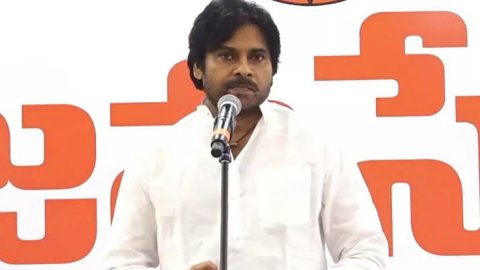
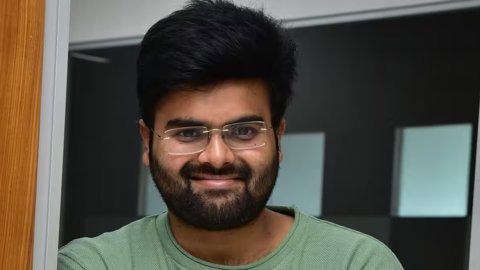
Teja Sajja, who has seen his popularity soar after the success of Hanu Man and Mirai, continued his strategic project selection with Zombie Reddy 2. Directed by Suparn Verma and produced by People Media Factory, the film clinched a non-theatrical rights deal reportedly valued between ₹45 and ₹50 crores. This figure, as per industry insiders, nearly covers the entire production investment, allowing the team to focus on delivering a quality cinematic experience without the pressure of box office returns. Teja’s careful choice to expand successful franchises has resonated with fans, who eagerly track updates on his sequels.
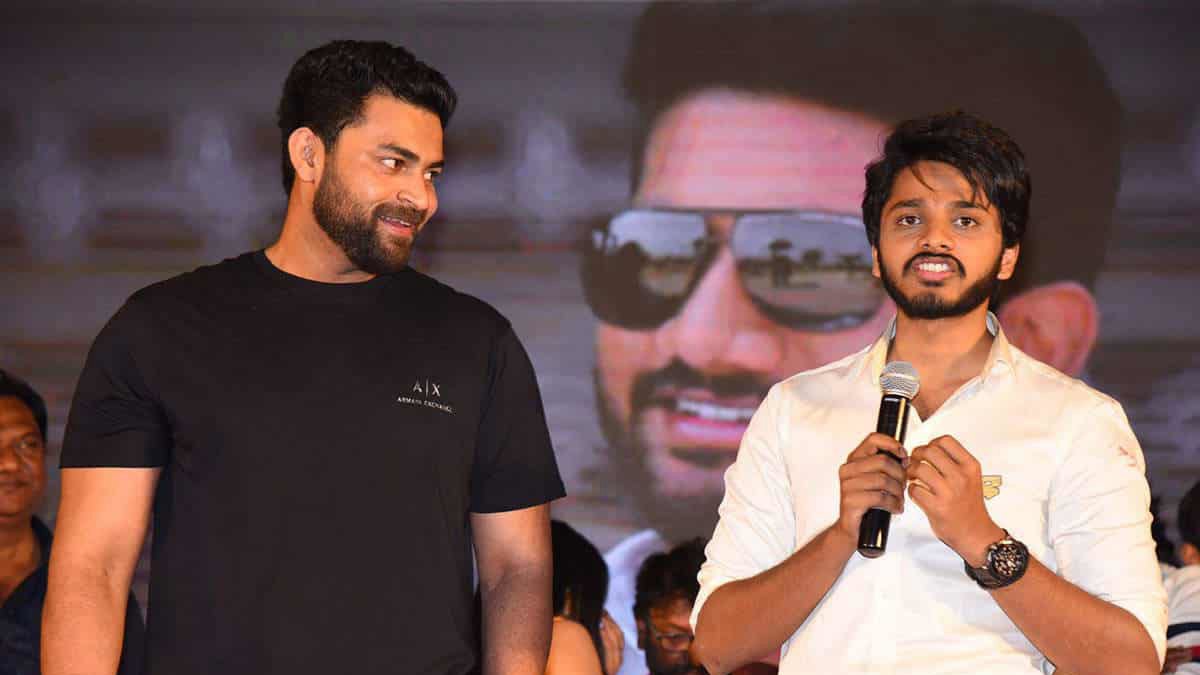
Similarly, Varun Tej’s Korean Kanakaraju, directed by Merlapaka Gandhi and produced by UV Creations, made headlines by closing a ₹26 crore non-theatrical business deal ahead of its scheduled 7th August release. With a reported budget of ₹38 crore, a substantial portion of costs was recovered before the film even hit screens. The film’s unique premise—Varun Tej in dual roles as a Rayalaseema native and a Korean mob boss—sparked considerable interest on social media, especially after the teaser and songs dropped. Distributors and exhibitors reportedly offered high sums for theatrical rights, putting the producers in a strong position with table profits secured early.
This trend is not limited to Telugu cinema alone. In Tamil, Mani Ratnam’s untitled project starring Vijay Sethupathi and Sai Pallavi sold its OTT rights to Netflix for ₹20 crores before filming even began. Despite the director’s legendary status and a strong cast, the modest sale price has led to debate among fans and industry observers, reflecting the current volatility in the OTT market. As one source put it, “the OTT market has crashed big time, and closing the deal itself has now become a big task.” The project, with music by AR Rahman and produced by Madras Talkies, Lyca Productions, and India Talkies, stands as a testament to the new reality: even high-profile collaborations must secure digital partners early to ensure financial viability.
The Telugu psychological drama Rao Bahadur, produced by Mahesh Babu and Namrata Shirodkar under GMB Entertainment, also locked in a ₹7 crore OTT deal with Netflix before its theatrical release. Notably, this agreement included a performance-based clause, allowing for a higher payout if the film performed well at the box office—a rare arrangement for a mid-range film in today’s competitive streaming landscape. Despite pre-release buzz, both Rao Bahadur and the big-budget Nagabandham underperformed at the box office, prompting their producers to turn to OTT platforms for quicker recoupment of investments. Nagabandham, in particular, made a swift digital debut just 21 days after its theatrical release, underscoring how early streaming deals are becoming a vital safety net for producers.
Across both Telugu and Tamil industries, the pattern is clear: mid-budget films are increasingly locking in OTT rights before or immediately after theatrical release, often covering a significant portion of their budgets and mitigating financial risks. This shift is reshaping how films are financed, released, and consumed, with early digital premieres now a key strategy for producers navigating a volatile market.