MoviesMovie Review
Karthi's Sardar 2 Review: Action, Message, But Lacks the Thrill
Karthi returns in Sardar 2 with a relevant message, but does the sequel live up to the original?
Dumtika EditorialSeptember 10, 2026 · 5 min read
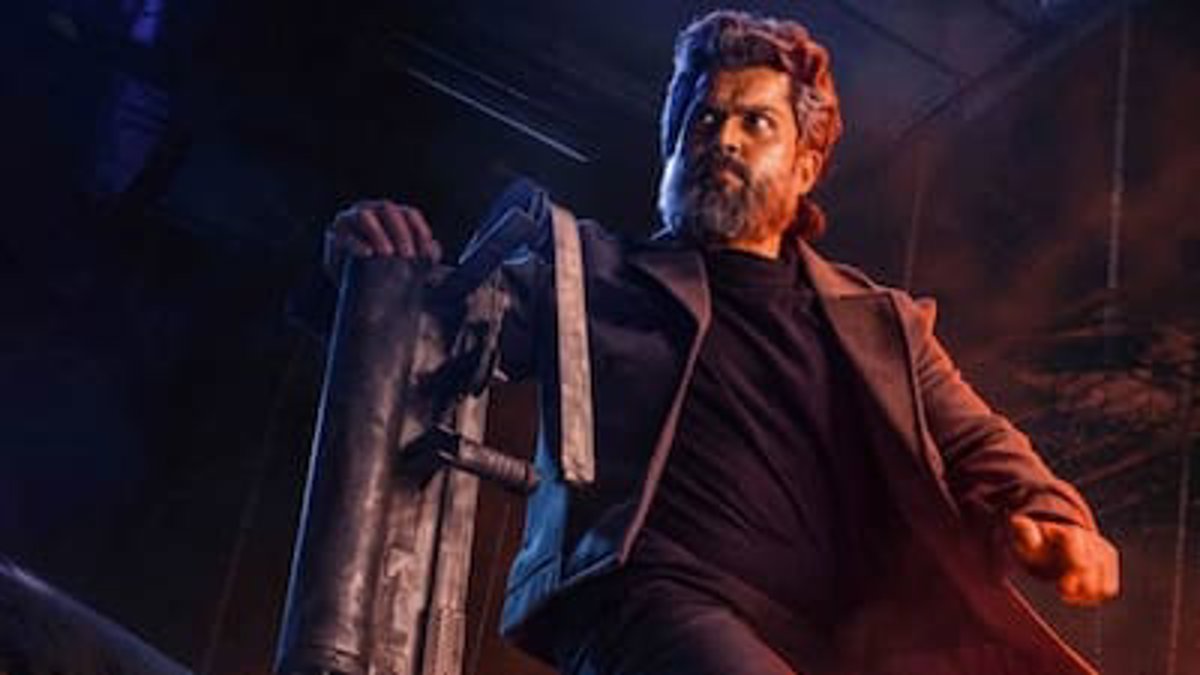
(Image: Dumtika Editorial)
Key Highlights
- Karthi delivers a strong dual-role performance
- Relevant social message on antibiotic overuse
- Screenplay lacks the grip of the original
- Second half feels lengthy and unconvincing
Director P. S. Mithran, known for his knack for blending social issues with commercial cinema, delivered a solid hit with the original 'Sardar' starring Karthi. That film stood out for its gripping screenplay and impactful message, earning both critical and commercial success. Karthi, meanwhile, has maintained a strong presence in South Indian cinema, consistently impressing with his versatility. With 'Sardar 2', expectations were high for both the director and the star to replicate or even surpass their previous success.
Did P. S. Mithran manage to recreate the magic of the first film? Does Karthi deliver another memorable dual-role performance? Has the sequel matched the original's intensity and emotional depth? Did the technical team, especially the music and cinematography, elevate the experience? Let's figure it out with a detailed analysis.
What is it about?
'Sardar 2' picks up after the events of the first film, centering on a dangerous operation called 'Operation Doku' that threatens national security. Karthi returns in a dual role as Sardar (the seasoned spy) and Vijay Prakash (his son, also a RAW agent). The plot revolves around their efforts, along with other RAW agents, to prevent the catastrophic consequences of Operation Doku, which resurfaces due to the machinations of Black Dagger (S. J. Suryah). The film also weaves in a contemporary social message about the overuse of antibiotics, adding a layer of relevance to the proceedings. Supporting characters, including Malavika Mohanan (as a fellow agent), Ashika Ranganath, and Rajisha Vijayan, play key roles in the unfolding drama.
Performances
Karthi (Sardar/Vijay Prakash) once again demonstrates his command over dual roles. He brings gravitas to Sardar's seasoned persona and injects energy into Vijay Prakash's youthful determination. His emotional scenes, especially those involving the father-son dynamic, are among the film's highlights. However, even his strong performance can't always compensate for the screenplay's shortcomings.
S. J. Suryah (Black Dagger) is effective as the antagonist, delivering a performance that balances menace with eccentricity. He shines in a few lighter moments, though some comedic sequences in the second half feel misplaced.
Malavika Mohanan and Ashika Ranganath provide solid support, though their characters are not given much depth to explore. Rajisha Vijayan and Yogi Babu manage to leave a mark in their limited screen time, with Yogi Babu's comic timing standing out, even if the placement of his scenes sometimes disrupts the film's tone.
Technicalities
Music/Songs: Sam C. S. handles the music, but the soundtrack and background score are underwhelming compared to the first film. The BGM lacks the punch needed for a spy thriller, and the songs do little to elevate the narrative.
Cinematography: George C. Williams delivers visually pleasing frames, especially in action sequences and establishing shots. The production values are evident, and some scenes are impressively shot.
Editing: Vijay Velukutty's editing could have been tighter. The film suffers from a lengthy runtime, and several scenes—especially in the second half—could have been trimmed to maintain pace and tension.
Positives
- Karthi's committed dual-role performance
- Relevant social message about antibiotic overuse
- High production values and strong visuals
- S. J. Suryah's engaging presence as the villain
Negatives
- Weak and unengaging screenplay
- Over-the-top and unconvincing sequences
- Lengthy, monotonous second half
- Misplaced comic scenes that disrupt the narrative
- Underwhelming background score
Analysis
'Sardar 2' attempts to build on the strengths of its predecessor by raising the stakes and expanding the scale. However, in doing so, it loses the grounded storytelling and taut narration that made the first film compelling. P. S. Mithran's earlier work was marked by a sharp focus on narrative tension and well-timed mass moments, but the sequel struggles to maintain that momentum. The screenplay introduces interesting ideas, especially the commentary on antibiotic misuse, but fails to weave them seamlessly into the spy thriller framework.
The first half sets up the premise adequately, but the second half becomes bogged down by unnecessary subplots and comedic detours. The inclusion of a comic sequence involving S. J. Suryah, Yogi Babu, and Nizhalgal Ravi feels forced and undermines the seriousness of the central conflict. This lack of tonal consistency is a significant departure from the original, where humor and drama were better balanced.
Compared to other Telugu spy thrillers and even the first 'Sardar', this sequel feels less gripping. The tension that should drive a film about national security threats is often missing, replaced by over-the-top moments that strain credibility. The film's attempt to deliver a message is commendable, but the execution lacks the finesse required to make it truly impactful.
While Karthi's performance and the film's visual appeal offer some respite, they aren't enough to overcome the screenplay's flaws. The result is a sequel that feels ambitious but ultimately underwhelming, offering only flashes of the excitement and emotional resonance that defined the original.
Final Verdict
A Disappointing Sequel With Few Highlights Rating – 2.5/5
Pros
+ Karthi's strong dual-role performance
+ Relevant social message on antibiotics
+ High production values and visuals
+ S. J. Suryah's engaging villain act
Cons
− Weak and unengaging screenplay
− Over-the-top, unconvincing sequences
− Second half feels lengthy and dull
− Misplaced comic scenes disrupt tone
− Underwhelming background score
Trending
1
Movies
Nani Wraps Up The Paradise Shoot, Sets September 24 Release Date
2
Movies
Balakrishna and Koratala Siva Face Action Challenge in Upcoming Film
3
Movies
Nani’s The Paradise Sets North America Pre-Sale Record Ahead of Release
4
Movies
Vaishnavi Chaitanya Embraces Another Bold Role in Epic Opposite Anand Deverakonda
5
Movies