MoviesMovie Review
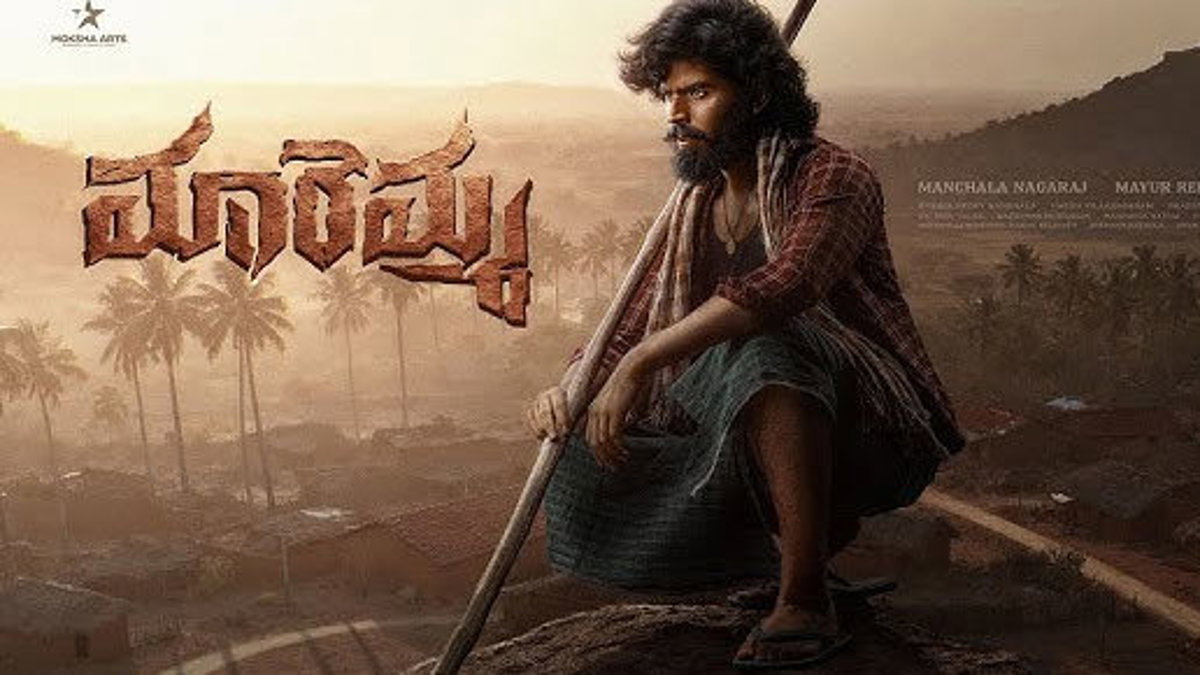
Maremma Movie Review: Maadhav Bhupathiraju’s Debut Falters in Rural Drama
Maremma, starring Maadhav Bhupathiraju, explores Telangana traditions but struggles with execution.
Dumtika EditorialSeptember 10, 2026 · 5 min read
(Image: Dumtika Editorial)
Key Highlights
- Maadhav Bhupathiraju makes a decent debut but is limited by weak writing.
- Songs and visuals effectively showcase Telangana culture and traditions.
- The film suffers from a lack of narrative clarity and dull execution.
- Editing and screenplay issues disrupt the film’s flow and engagement.
Debut director Manchala Nagaraj steps into the Telugu film industry with "Maremma," a rural drama set in Telangana’s heartland. This film also marks the acting debut of Maadhav Bhupathiraju, nephew of Ravi Teja, adding a layer of anticipation for fans eager to see if talent runs in the family. With no previous directorial credits for Nagaraj and Maadhav being a fresh face, expectations were cautious but curious, especially given the film’s focus on regional culture and traditions.
Did Manchala Nagaraj manage to deliver a compelling rural story? Can Maadhav Bhupathiraju impress in his first outing? Do the music directors Prashanth R. Vihari and Bipradeep Dutta bring Telangana’s spirit alive through their songs? Does the film succeed in blending tradition with drama? Let's figure it out with a detailed analysis.
What is it about?
"Maremma" unfolds in Mahishapuram, a Telangana village steeped in age-old customs. The villagers worship the deity Maremma, and a sacred buffalo is raised each year to be sacrificed as part of their ritual. Karni (Maadhav Bhupathiraju) is entrusted with raising Maari, the buffalo chosen for the offering. When Maari mysteriously disappears, panic and unrest ripple through the community. The film follows Karni and the villagers as they search for the missing animal, delving into their beliefs, fears, and the emotional connection Karni develops with Maari. Along the way, the narrative touches on themes of faith, tradition, and the moral dilemmas surrounding animal sacrifice, but keeps its focus on the search and the impact of the loss on the village.
Performances
Maadhav Bhupathiraju (Karni) makes a decent debut as the protagonist. He brings sincerity to the role, especially in scenes highlighting his bond with the buffalo. However, the script doesn’t give him enough depth or range to truly shine, and his performance feels constrained by the film’s lack of emotional highs.
Deepa Balu (female lead) fits well into the rural setting, convincingly portraying a village belle. Her role is limited, but she manages to bring authenticity to her character, supporting the main narrative effectively.
Vikas Vasishta, Vinod Kumar, V.S. Rupa Lakshmi, and Dayanand Reddy fill out the supporting cast. Their performances are serviceable, but the weak writing and underdeveloped antagonist track prevent any of them from leaving a lasting impression. The antagonists, in particular, suffer from poorly written roles that lack menace or intrigue.
Technicalities
Music/Songs: Prashanth R. Vihari and Bipradeep Dutta deliver songs that capture the essence of Telangana’s culture. The tracks are well-composed and visually appealing, especially those depicting local traditions. The background score complements the rural setting but doesn’t elevate the film’s emotional stakes.
Cinematography: Prasanth Ankireddy’s visuals are competent, effectively showcasing the village landscape and rituals. The camera work is neat, but there are few standout moments that linger in memory.
Editing: Sai Babu Talari’s editing is a weak link. Scene transitions often feel abrupt, and the narrative flow suffers from a lack of cohesion, particularly in the second half. The pacing drags, making the film feel longer than it is.
Positives
- Songs rooted in Telangana culture are well-executed and visually pleasing.
- Maadhav Bhupathiraju delivers a sincere debut performance.
- The first half contains a few engaging moments that hint at the film’s potential.
Negatives
- The film lacks a clear narrative vision and purpose.
- The second half is dull, with a bland and repetitive search for the buffalo.
- Weak screenplay and poor scene-to-scene connectivity.
- Underdeveloped antagonist track and ineffective witchcraft episodes.
- Editing issues disrupt the film’s flow and pacing.
Analysis
"Maremma" aims to blend rural tradition with drama, but director Manchala Nagaraj struggles to articulate a clear message or emotional core. Unlike some recent Telugu rural dramas that have successfully balanced cultural authenticity with engaging storytelling, "Maremma" falters in both vision and execution. The film’s central conflict—the disappearance of the sacred buffalo—could have been a powerful metaphor for faith and change. However, the screenplay fails to build tension or emotional investment, especially in the second half, where the narrative becomes repetitive and uninspired.
The bond between Karni and Maari is introduced but never explored with the depth it deserves. This missed opportunity leaves the film feeling emotionally flat. The antagonist subplot and witchcraft elements are underwritten, adding little to the story and failing to generate suspense or drama. Compared to other Telugu films that have tackled rural themes with nuance and energy, "Maremma" feels listless and directionless.
Technically, the film has its moments—particularly in the music and cultural visuals—but these are not enough to compensate for the lack of engaging content. The editing further hampers the experience, with abrupt transitions and sluggish pacing making the film a tedious watch. Even the few promising moments in the first half are quickly overshadowed by the dull proceedings that follow.
Ultimately, "Maremma" is a disappointing debut for both its director and lead actor. While Maadhav Bhupathiraju shows potential, he is let down by a script that offers little scope for performance. The film’s inability to deliver a coherent message or sustain interest makes it a forgettable entry in the rural drama genre.
Final Verdict
A Dull Rural Drama That Misses the Mark Rating – 2.25/5
Pros
+ Songs rooted in Telangana culture are well-executed
+ Maadhav Bhupathiraju delivers a sincere debut performance
+ First half contains a few engaging moments
Cons
− Lacks clear narrative vision and purpose
− Second half is dull and repetitive
− Weak screenplay and poor scene connectivity
− Underdeveloped antagonist and ineffective subplots
− Editing issues disrupt pacing and flow
Trending
1
Movies
Suhas Shines in Tamil Debut Mandadi, Receives Warm Welcome in Kollywood
2
Celebrity
Samantha Reveals Motherhood Came as a Surprise During Maa Inti Bangaaram Shoot
3
Movies
Prabhas’ Spirit: IShowSpeed Approached for Special Role in Sandeep Reddy Vanga Film
4
Movies
Prashanth Neel Presents 418: Mythri's Horror Thriller Sets Release for September 18
5
Movies