MoviesMovie Review
Peaky Blinders: The Immortal Man Review – Tommy Shelby’s Cinematic Farewell
Cillian Murphy’s Tommy Shelby returns in Peaky Blinders: The Immortal Man—a visually stunning, emotionally resonant finale with minor flaws but major impact.
Dumtika EditorialMarch 19, 2026 · 3 min read
(Image: Dumtika Editorial)
After directing episodes in the acclaimed first season of 'Peaky Blinders', director Tom Harper returns to the universe with 'The Immortal Man'. His recent projects have shown his knack for atmospheric storytelling, but none have carried the weight of this iconic saga. Cillian Murphy, fresh from his Oscar-winning turn in 'Oppenheimer', dons Tommy Shelby’s cap once again, marking his much-anticipated comeback to the role that made him a global phenomenon. For niche Telugu audiences, the Peaky Blinders series has long enjoyed cult status on streaming platforms, with its stylish grit resonating.
Did Tom Harper succeed in giving the Shelby legacy a fitting end? Has Cillian Murphy raised the bar yet again with his performance? Does the shift to the World War II backdrop do justice to the series roots? Are the technical standards and musical cues as sharp and memorable as ever? Let’s figure it out with a detailed analysis.
What is it about?
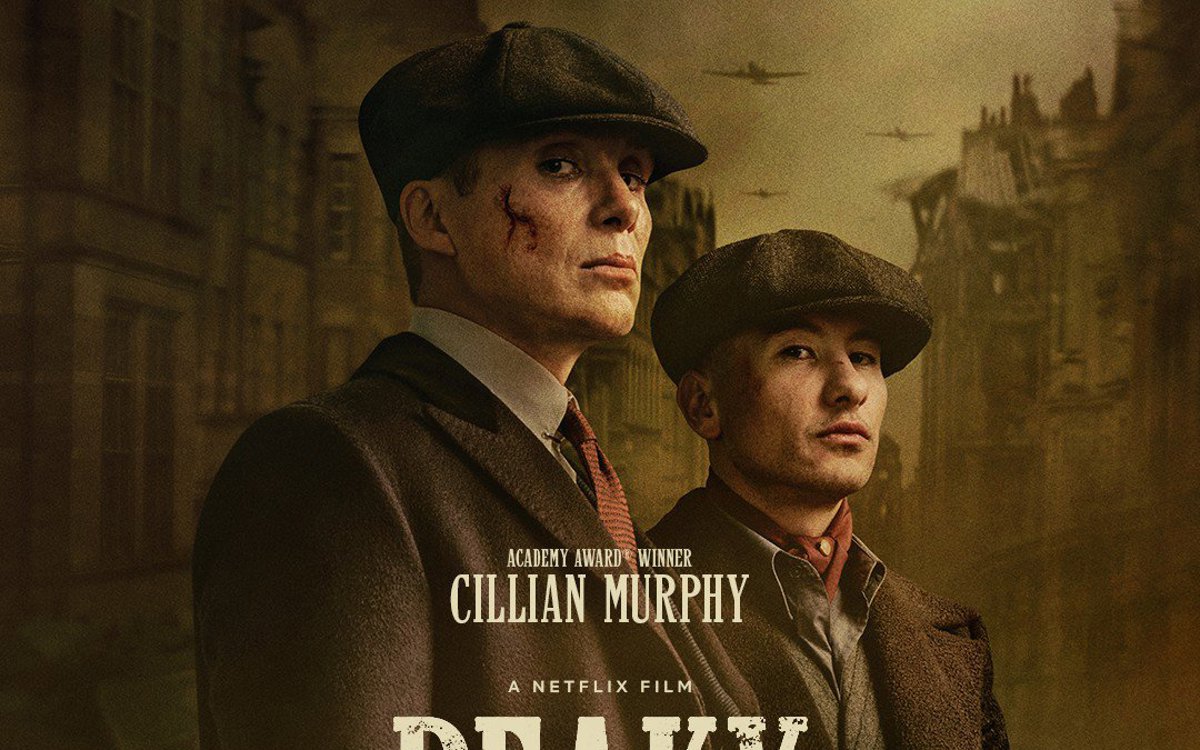
Set in 1940’s Birmingham, 'The Immortal Man' finds Tommy Shelby (Cillian Murphy) in self-imposed exile, haunted by loss and the heavy cost of his past choices. His estranged son Duke (Barry Keoghan) now heads the Peaky Blinders and becomes entangled with the sinister Beckett (Tim Roth) in a high-stakes Nazi conspiracy. Forced out of retirement, Tommy must confront his legacy and family in a world on the brink of war. The film’s plot balances the personal with the political, preserving the show’s signature themes of trauma, power, and succession.
Performances
Cillian Murphy (Tommy Shelby) is nothing short of mesmerizing. He delivers a deeply internalized, haunting portrayal that anchors the film’s emotional heft. Barry Keoghan (Duke) brings a volatile energy and unpredictability, fitting seamlessly into the Shelby lineage. Rebecca Ferguson and Stephen Graham offer solid support, lending gravitas to their limited but impactful roles. Tim Roth (Beckett), however, feels underutilized his villainy never fully realized.
Technicalities
Music & Background Score: The film’s soundtrack, curated in vintage Peaky Blinders style, fuses riotous rock with moody undertones. The background score heightens tension at key moments.
Cinematography: The visuals are a treat cinematographer retains the series’ industrial grime while elevating the scale for the big screen.
Editing: The 112-minute runtime is tightly packed, sometimes at the expense of character development, but maintains narrative urgency.
Positives
- Cillian Murphy’s career-defining performance
- Barry Keoghan’s dynamic addition to the Shelby family
- Cinematic visuals that capture both grit and grandeur
- Satisfying emotional closure for long-time fans
Negatives
- Compressed runtime limits character arcs
- Absence of key series characters is felt
- Tim Roth’s villain lacks menace
- Slower pacing may not please action lovers
Analysis
Tom Harper preserves the Peaky Blinders DNA gritty aesthetics, sharp dialogue, and layered conflicts while giving the saga a cinematic upgrade. Compared to his earlier work, Harper’s direction here is more restrained, focusing on reflection rather than relentless momentum. The film’s first half is deliberately paced, building atmosphere and stakes, before a rousing finale delivers emotional payoff. The soulful closure and technical finesse are undeniable, while some subplots feel underserved, the core father-son dynamic remains powerful.
Final Verdict
A soulful, beautifully crafted send-off for Tommy Shelby that honors the series legacy. Rating - 3.5/5
Trending
1
Celebrity
Garividi Lakshmi: The Woman Who Revolutionized Burrakatha in Uttarandhra
2
Movies
Sandeep Reddy Vanga Urges Audiences to Watch Vijay Deverakonda's Ranabaali
3
Box Office
Rajinikanth’s Jailer 2 Earns ₹6.55 Cr in Nizam After Two Days
4
Movies
Keerthy Suresh Shines in January 12 Vidudala First Look Poster
5
Box Office