MoviesMovie Review
Ajay Devgn Shines in Drishyam: The Conclusion – Full Review & Rating
Abhishek Pathak crafts a gripping finale with Ajay Devgn, Tabu, and Jaideep Ahlawat in top form.
Dumtika EditorialOctober 2, 2026 · 6 min read
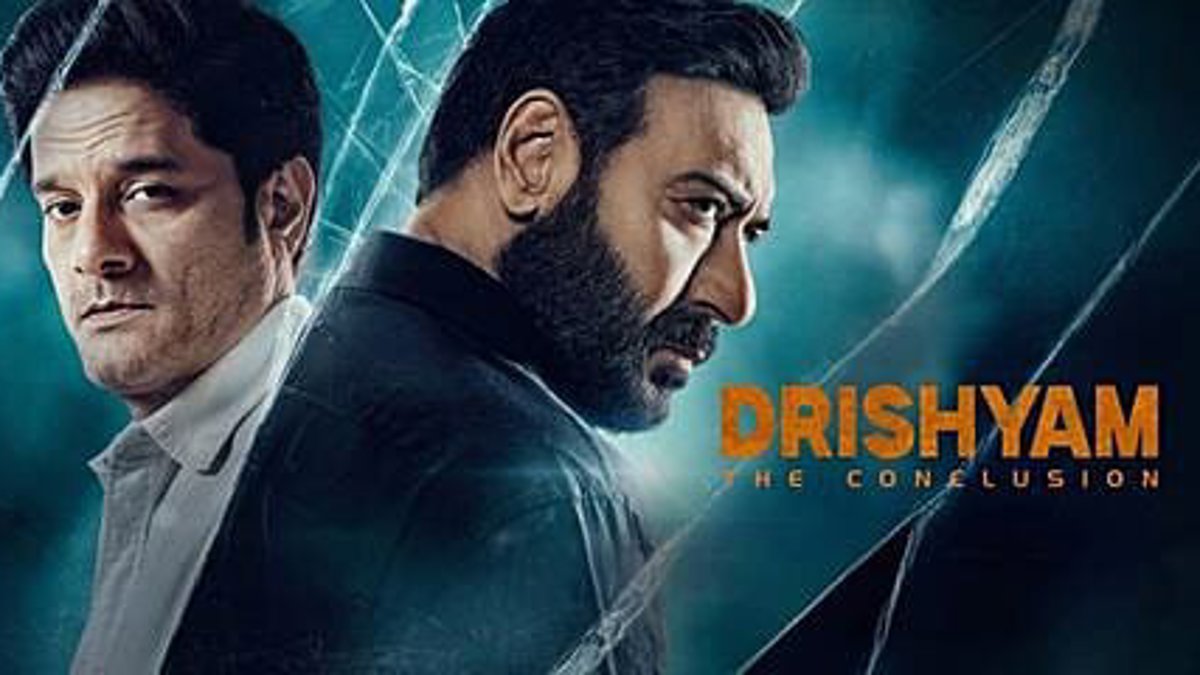
(Image: Dumtika Editorial)
Key Highlights
- Ajay Devgn and Jaideep Ahlawat deliver standout performances.
- Original story diverges from Malayalam Drishyam series.
- Courtroom and investigation sequences are gripping.
- Tabu's character is sidelined in this final chapter.
Director Abhishek Pathak, who helmed the successful 'Drishyam 2' (Hindi), returns to conclude the franchise with 'Drishyam: The Conclusion.' His previous outing was praised for its clever adaptation and suspenseful narrative, setting high expectations for this final chapter. Ajay Devgn, fresh off his acclaimed performance in 'Drishyam 2,' reprises his role as Vijay Salgaonkar, a character that has become synonymous with his recent career resurgence. With the franchise's strong legacy and the promise of an original story, anticipation for this film was immense among both fans and critics.
Did Abhishek Pathak manage to deliver a satisfying end to the Drishyam saga? Has Ajay Devgn once again brought depth and intensity to Vijay Salgaonkar? How do the new narrative choices compare to the original Malayalam series? Did the supporting cast and technical team elevate the film? Let's figure it out with a detailed analysis.
What is it about?
' Drishyam: The Conclusion' picks up after the events of 'Drishyam 2.' Meera Deshmukh (Tabu), devastated by the unresolved mystery of her son's death, contemplates ending her life. Her husband Mahesh (Rajat Kapoor) intervenes, urging her to reopen the case and seek justice. Together, they enlist the help of Crime Branch S.P. Rajveer Singh Tomar (Jaideep Ahlawat), determined to finally bring Vijay Salgaonkar (Ajay Devgn) to justice. The film unfolds as a tense cat-and-mouse game, with Vijay using his wits to protect his family while his adversaries close in. The narrative seamlessly transitions from police procedural to courtroom drama, keeping viewers engaged with unexpected twists and emotional stakes.
Performances
Ajay Devgn (Vijay Salgaonkar) delivers a nuanced performance, embodying the protective father with subtlety and restraint. His ability to convey deep emotion without melodrama stands out, especially in scenes where the stakes are highest. Devgn's calm intensity anchors the film, making Vijay's moral dilemmas feel authentic and relatable.
Tabu (Meera Deshmukh) returns as the grieving mother, but her role is more subdued this time. While she brings gravitas to her scenes, the script sidelines her character, limiting her impact compared to previous installments. Still, Tabu's presence adds emotional weight to the narrative.
Jaideep Ahlawat (S.P. Rajveer Singh Tomar) is a revelation, injecting fresh energy into the franchise. His confrontations with Devgn are among the film's highlights, and he brings both menace and intelligence to the role. Ahlawat's performance elevates the tension, making the investigative sequences particularly gripping.
Prakash Raj (role unspecified) and Rajat Kapoor (Mahesh) provide solid support, with Prakash Raj taking on a more prominent role in the conflict against Vijay. Shriya Saran (Nandini Salgaonkar), Ishita Dutta, Kamlesh Sawant, and others round out the cast, each contributing effectively to the family and investigative dynamics.
Technicalities
Music/Songs: The soundtrack, composed by Ravi Basrur, Rochak Kohli, and Karma, is functional, but it is Basrur's background score that stands out in the second half. The tension and drama are heightened by his compositions, though the first half could have benefited from a more impactful score.
Background Score: Ravi Basrur's BGM is particularly effective during courtroom and high-stakes moments, adding to the film's suspense. However, certain early sequences lack the punch that could have made the build-up even more thrilling.
Cinematography: Sudhir Kumar Chaudhary's visuals are polished and atmospheric, capturing the emotional undertones and the intensity of the investigation. The camera work enhances both the family drama and the procedural elements, making the film visually engaging.
Editing: Sandeep Francis delivers crisp editing, ensuring the narrative flows smoothly. The transitions between investigation, family moments, and courtroom drama are seamless, maintaining the film's pace and tension.
Positives
- Original narrative that diverges from the Malayalam series
- Strong performances by Ajay Devgn and Jaideep Ahlawat
- Engaging courtroom and investigation sequences
- Well-integrated comedy, especially through the Gaitonde character
- High production values and sharp cinematography
Negatives
- Predictable outcome due to franchise closure
- Tabu's character is underutilized
- First half background score could have been stronger
Analysis
Abhishek Pathak takes a bold step by crafting an original story for 'Drishyam: The Conclusion,' rather than following the Malayalam franchise's yet-to-be-released third part. This creative risk pays off, as the film offers fresh twists while maintaining the franchise's core tension. The writing is sharp, blending suspense, emotion, and even humor—an unusual but effective choice for a crime thriller.
Compared to 'Drishyam 2,' the pacing here is tighter, especially in the first half, where the investigation is laced with moments of levity. The interval face-off between Ajay Devgn and Jaideep Ahlawat is a standout, setting the stage for a gripping second half. The shift to courtroom drama is handled deftly, with the narrative escalating in both stakes and surprises.
However, the film's predictability is a double-edged sword. As the final chapter, audiences can anticipate the broad outcome, which slightly diminishes the impact of the climax. Still, the journey—how the story unfolds and the characters maneuver within it—remains compelling. Tabu's reduced role is a missed opportunity, especially given her powerful presence in earlier installments.
When compared to similar Telugu thrillers, 'Drishyam: The Conclusion' stands out for its balance of suspense and emotional depth. The integration of comedy, particularly through the Gaitonde character, is reminiscent of the tonal shifts seen in some of the best Telugu investigative dramas. The technical finesse, especially in cinematography and editing, matches the high standards set by recent genre films.
Final Verdict
A gripping and well-crafted finale to the Drishyam saga, powered by strong performances and smart writing. Rating – 3.5/5
Pros
+ Original narrative diverges from Malayalam series
+ Ajay Devgn and Jaideep Ahlawat's strong performances
+ Engaging courtroom and investigation sequences
+ Well-integrated comedy through Gaitonde character
+ High production values and sharp cinematography
Cons
− Predictable outcome due to franchise closure
− Tabu's character is underutilized
− First half background score could be stronger
Trending
1
Celebrity
Garividi Lakshmi: The Woman Who Revolutionized Burrakatha in Uttarandhra
2
Movies
Sandeep Reddy Vanga Urges Audiences to Watch Vijay Deverakonda's Ranabaali
3
Box Office
Rajinikanth’s Jailer 2 Earns ₹6.55 Cr in Nizam After Two Days
4
Movies
Keerthy Suresh Shines in January 12 Vidudala First Look Poster
5
Box Office