Nani's The Paradise Review: Action Highs, Storytelling Lows in Srikanth Odela's Mass Drama
Nani shines in a familiar template; Srikanth Odela's direction struggles to break new ground.
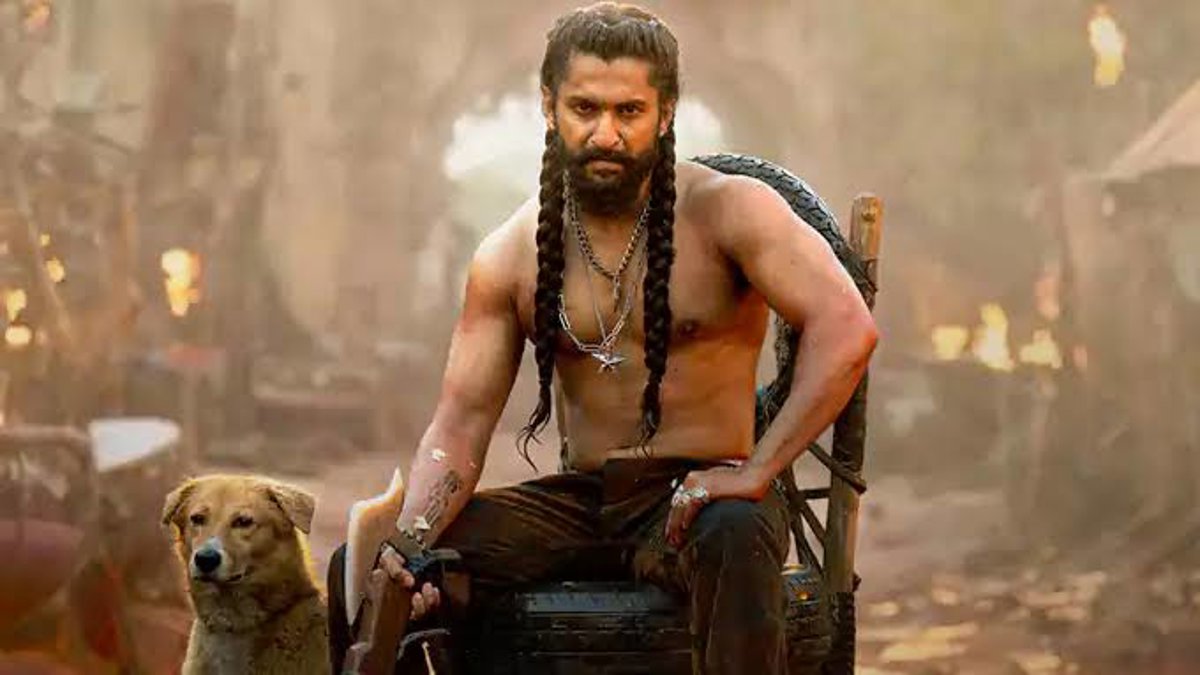
(Image: Dumtika Editorial)
Key Highlights
- Nani delivers a sincere, physically demanding performance
- Action sequences and songs stand out amid routine storytelling
- Weak screenplay and abrupt editing hamper emotional impact
- Mohan Babu and supporting cast underutilized
After the success of 'Dasara', director Srikanth Odela returns with 'The Paradise', aiming to cement his place among Tollywood's new-age mass filmmakers. His last outing was lauded for its raw intensity and local flavour, raising expectations for his sophomore effort. Meanwhile, Natural Star Nani, fresh off a series of mass roles that have connected well with audiences, leads the cast. With both director and star coming off notable projects, anticipation was high for this collaboration.
Did Srikanth Odela manage to deliver another hard-hitting mass entertainer? Has Nani's physical transformation paid off on screen? Do Anirudh Ravichander's songs and background score elevate the film? Is 'The Paradise' more than just another routine action drama? Let's figure it out with a detailed analysis.
What is it about?
'Paradise' unfolds in a post-independence India where the Savaari tribe, led by Jadal (Nani), continues to live in the shadows, denied identity and dignity. The tribe's oppressor, Shikanja Malik (Mohan Babu), rules with an iron fist, refusing to let them integrate into society. The film charts Jadal's journey as he rises against Malik, fighting not just for survival, but for recognition and respect for his people. The narrative is structured in chapters, each focusing on a different phase of the struggle, with supporting characters like Aaya Sher (Kayadu Lohar), Yeshanagula (Sampoornesh Babu), and others playing pivotal roles at various points.
Performances
Nani (Jadal) once again proves his mettle in mass roles, delivering a committed performance that anchors the film. His physical transformation is evident, especially in the demanding action sequences. Nani brings sincerity and intensity, particularly in the pre-interval and interval stretches, making his character's pain and resolve palpable. However, the screenplay gives him limited scope for emotional depth beyond the expected heroics.
Mohan Babu (Shikanja Malik) is cast as the ruthless monarch, but the script gives him surprisingly little to do. Despite his commanding presence, Malik's character feels underutilized, and the anticipated face-off with Nani never fully materializes, leaving a sense of missed opportunity.
Kayadu Lohar (Aaya Sher) and Sampoornesh Babu (Yeshanagula) provide some lighter moments and brief relief from the film's otherwise grim tone. However, their roles are not fleshed out enough to leave a lasting impact. Sonali Kulkarni's character starts off promisingly but loses significance as the story progresses, while Raghav Juyal is barely given any meaningful screen time.
Technicalities
Music/Songs: Anirudh Ravichander delivers a solid set of songs that work well within the film, with a couple of tracks likely to become chartbusters. However, his background score, while energetic, struggles to compensate for the screenplay's lack of momentum. The sound mixing is inconsistent, with dialogues occasionally drowned out by the score.
Cinematography: Ch Sai's visuals are a major asset, capturing the scale and mood of the film effectively. The camera work in action sequences and the depiction of the tribal landscape stand out, lending the film a larger-than-life feel.
Editing: Navin Nooli's editing is a weak link. The film suffers from abrupt transitions, with scenes jumping too quickly and disrupting the narrative flow. This rushed post-production leaves several emotional beats underdeveloped and makes the chapter-wise structure confusing.
Positives
- Nani's sincere and physically demanding performance
- Well-executed action sequences, especially the cafe fight and interval block
- Anirudh's songs add energy and mass appeal
- Strong cinematography and impressive production values
Negatives
- Routine, predictable story with little novelty
- Weak screenplay and underdeveloped supporting characters
- Second half drags with few high points
- Poor sound mixing and abrupt editing
- Disappointing climax and underutilization of Mohan Babu
Analysis
Srikanth Odela's debut, 'Dasara', was praised for its gritty storytelling and rootedness in Telangana's milieu. With 'The Paradise', he attempts a similar mass template but falls into the trap of repetition without innovation. The film opens with a disturbing and impactful sequence, setting expectations for a hard-hitting narrative. However, after a promising start and a few standout action blocks, the screenplay quickly settles into a familiar rut. The chapter-wise narration, intended to give structure, ends up making the film feel episodic and fragmented.
The writing relies heavily on bloodshed and spectacle, but lacks the emotional depth or fresh perspective needed to keep audiences invested. Unlike 'Dasara', where even secondary characters had memorable arcs, here only Nani's Jadal stands out. The rest of the cast, including a wasted Mohan Babu, are given little to work with. The references to Telangana political history may resonate locally, but for wider audiences, they add little value.
The second half is particularly problematic, with the narrative losing steam and the climax failing to deliver the expected hero-villain showdown. Instead, the film resorts to a routine cop intervention, diluting the personal stakes. The heroine's track is poorly written and feels disconnected from the main plot, raising questions about its inclusion.
Technically, the film aspires to grandeur, with high production values and stylish visuals. However, these efforts are undermined by rushed editing and sound issues that break immersion. Anirudh's music is a saving grace, but even he cannot lift the film above its narrative shortcomings. Compared to recent mass entertainers like 'Pushpa' or 'Dasara', 'The Paradise' lacks the freshness and emotional punch that made those films stand out.
Final Verdict
Routine Mass Drama With Action Highs, Storytelling Lows Rating – 2.75/5
Pros
+ Nani's committed and physical performance
+ Well-executed action sequences
+ Anirudh's energetic songs
+ Strong cinematography and production values
Cons
− Routine, predictable story
− Weak screenplay and underdeveloped characters
− Second half drags with few high points
− Poor sound mixing and abrupt editing
− Underutilization of Mohan Babu