AI Tools Are Replacing Freelancers/Freshers: How ChatGPT, Copilot, and More Are Changing the Game
AI platforms like ChatGPT and Copilot are replacing millions of Indian freelance gigs. Telugu NRIs and tech pros must adapt to this shift or risk being left behind.
Dumtika Editorial
March 19, 2026 · 4 min read
(Image: Dumtika Editorial)
What Is It
Artificial intelligence (AI) tools are rapidly automating tasks once performed by Indian freelancers covering writing, design, coding, and more. Platforms like ChatGPT, Claude, Canva Magic Studio, GitHub Copilot, and others are being adopted by businesses to handle work that previously powered the livelihoods of millions in India’s gig economy.
Why It Matters
For Telugu tech professionals and NRIs in the USA, this shift is more than a headline it signals a new paradigm for remote hiring, outsourcing, and freelance work. With IST and EST time zones defining collaboration across continents, many Indian freelancers served US-based startups and SMBs (small- and medium-sized businesses), offering affordable content, design, and development. Now, the same businesses are leveraging AI subscriptions that can deliver similar output instantly, threatening the viability of entry-level freelance roles. For NRIs with family or business interests in India, or those who manage global teams, understanding this dynamic is essential for both opportunity and risk management.
How It Works
The transformation is powered by a new generation of AI tools:
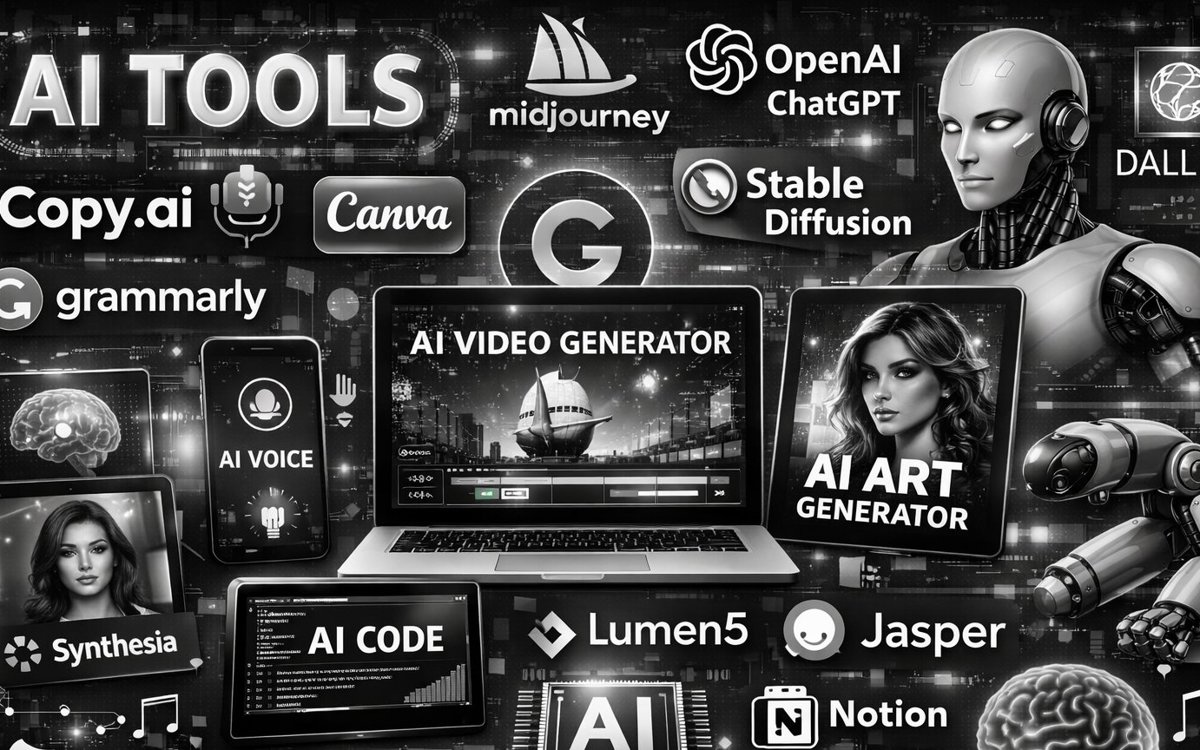
- Writing & Copy: ChatGPT (₹1,700/month for Plus), Claude, Jasper, and Copy.ai generate blog posts, ads, and social media content at quality and speed that rival typical freelancers charging ₹500–₹1,500 per article. Claude’s large context window supports long-form, nuanced tasks like reports.
- Design & Graphics: Canva Magic Studio, Midjourney (via Discord), DALL·E, Stable Diffusion, and Adobe Firefly allow users to create professional visuals or illustrations from simple text prompts. Canva’s yearly subscription (₹4,000) replaces costly per-project fees.
- Coding: GitHub Copilot (₹830/month), Cursor, and Claude Code automate code completion, refactoring, and even full development cycles. Cursor understands entire codebases and handles tasks through natural language. Claude Code reads, writes, tests, and commits autonomously. Meanwhile, tools like Replit Agent, Bolt.new, and Lovable enable even non-programmers to build apps from text prompts, drastically lowering the bar for launching new digital products.
- Research & Productivity: Perplexity AI, Notion AI, Grammarly, and QuillBot automate research, project management, editing, and proofreading. Gamma and Descript streamline presentations and video creation. The cost advantage is stark: companies are replacing every $1 spent on freelancers with just $0.03 for AI, a 97% savings.
Real-World Applications & Telugu/India Relevance
India’s freelance sector is vast, with millions depending on platforms like Upwork and Fiverr for income as writers, designers, developers, and virtual assistants. The competitive edge of Indian freelancers affordable rates and quick turnarounds has been eclipsed by AI’s zero marginal cost and instant delivery. This is especially significant for those in Hyderabad, Bengaluru, and other technology hubs, as well as the diaspora in the USA who rely on India-based teams for scalable business solutions. The most vulnerable are those offering standard, easily automated work. Yet, freelancers who learn to integrate AI tools using Midjourney for design drafts, ChatGPT for first-draft content, or Copilot for code scaffolding can boost their productivity and move up the value chain, handling more complex or creative briefs.
What’s Next
The pace of change is accelerating. Freelancers who adapt leveraging AI as a productivity multiplier rather than a threat stand to benefit. There’s a growing call for reskilling initiatives that teach effective use of these tools. Platforms may start differentiating between AI-assisted and human-only work, allowing clients to choose based on needs. For NRIs and Indian professionals managing distributed teams, the key will be to identify tasks where human expertise, creativity, or domain knowledge still command a premium. The gig economy isn’t disappearing, but it’s evolving fast. Watching how freelancers, businesses, and platforms respond will define the next chapter in India’s digital workforce story. For Telugu professionals abroad, both risk and opportunity lie in how quickly one can adapt to this new AI-powered reality.